How to Buy in Cambridge While Selling in Chittenden
July 23, 2026
July 23, 2026
Thinking about cashing out strong Chittenden County equity and making your move to Cambridge? You are not alone, and the timing can create real opportunity if you plan it carefully. Selling in one market while buying in another can feel like juggling two big deadlines at once, but the right strategy can help you reduce stress, protect your budget, and keep your move on track. Let’s break down how to approach it.
Cambridge can offer a different price point than Chittenden County, which matters when you are trying to turn sale proceeds into your next home purchase. Recent market snapshots show Cambridge with a median listing price of $402,000, while Chittenden County shows a median listing price of $575,000. That gap can give you more flexibility when you sell in Chittenden County and buy in Cambridge.
Market pace matters too. Realtor.com labeled Cambridge a buyer’s market in June 2026, with 33 homes for sale and a median 51 days on market. In the same snapshot, Chittenden County was labeled a seller’s market, with 846 homes for sale and a 45-day median market time.
For many homeowners, that combination creates a useful setup. You may be selling into stronger pricing conditions in Chittenden County while shopping in a market where buyers may have a bit more room to evaluate options.
Cambridge is in Lamoille County, not Franklin County. That detail matters when you are looking at local records, planning your search, or coordinating a move with town and county logistics.
The town sits on the western edge of Lamoille County and borders Westford and Underhill in Chittenden County and Fairfax in Franklin County. It is about 27 miles from Burlington, which makes it a practical option for many buyers who still need regional access.
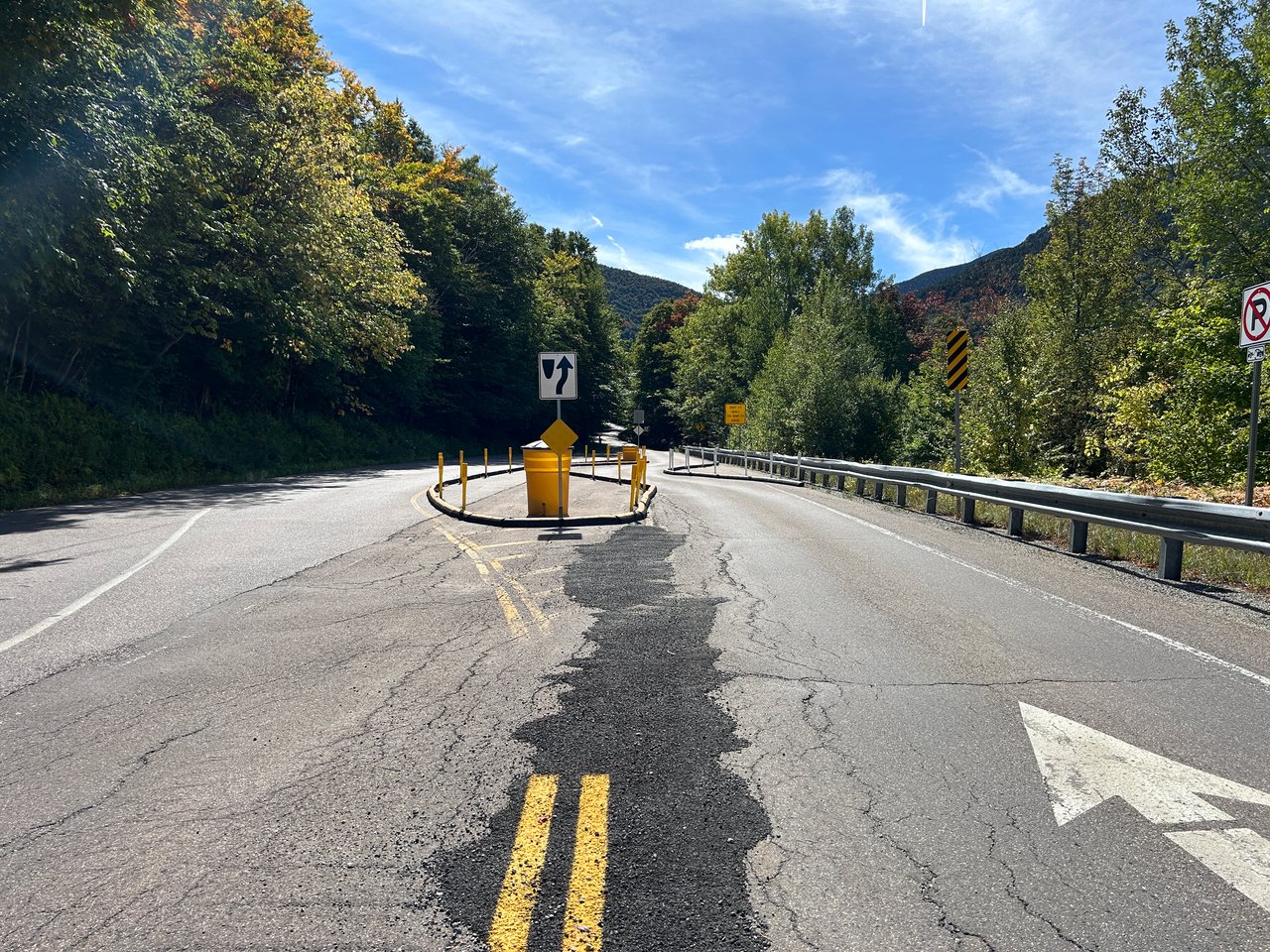
One local detail is especially important for move planning. Route 108 through Smugglers’ Notch is seasonally closed in winter, so if your move, commute, or contractor access depends on that route, you will want to account for the closure early.
When you are buying in Cambridge while selling in Chittenden County, the biggest question is usually simple: Do you sell first or buy first? The answer depends on your cash flow, risk tolerance, and how much flexibility you need.
Selling first often lowers your risk. It can help you avoid carrying two mortgage payments at the same time, and it gives you a clearer picture of how much equity you have available for your Cambridge purchase.
This option can work well if you want tighter budget control. It is often the most straightforward path when your next purchase depends on proceeds from your current home.
Buying first can preserve flexibility, especially if you find the right Cambridge property before your current home closes. It may also help if you want more control over your move-in timing.
The tradeoff is usually financial. Buying first may require bridge financing or access to home equity, and that can add another layer of cost and coordination.
Some moves work best when the sale and purchase happen on a tightly managed timeline. In that setup, your lender, closing provider, and moving schedule all need to line up well.
This can be an efficient option, but it leaves less room for delays. A small shift in one transaction can affect the other, so steady communication becomes essential.
If your Cambridge purchase depends on selling your current home, your offer structure matters. A financing contingency and a satisfactory inspection contingency can help protect you from getting locked into a purchase before the numbers and property condition are fully clear.
That kind of planning is not about slowing things down. It is about making sure your move stays workable if financing, timing, or inspection results change.
One of the biggest mistakes in a two-part move is focusing only on the down payment. Closing costs alone typically run 2% to 5% of the purchase price, not including your down payment.
You will also want to budget for moving costs, early home expenses, and a reserve for surprises. CFPB guidance recommends keeping an emergency cushion of at least three to six months of expenses, which can be especially helpful when you are managing both a sale and a purchase.
A simple cash plan should account for:
When you lay out those costs in advance, you are less likely to feel squeezed between closings.
Bridge financing can help in some cases, but it should usually be viewed as a fallback, not the default plan. CFPB rules describe a bridge loan as a temporary loan with a term of 12 months or less, including a loan used to buy a new home when you plan to sell your current home within 12 months.
A HELOC can also provide access to equity, but it is still debt secured by your home. If you go this route, the key question is whether you can comfortably manage the payments if your timeline shifts.
For most homeowners, the safest approach is to explore these tools only after you understand your likely sale proceeds, purchase budget, and timing risks. Backup financing can be useful, but clarity is better.
Closing day is more than a formality when you are selling one home and buying another. It becomes the point where your funds, keys, documents, and moving schedule all come together.
When choosing a date, think about:
CFPB guidance notes that end-of-month closings are often busier. The beginning or middle of the month may offer a smoother path, especially when you are trying to coordinate two transactions at once.
Vermont has a few closing items that can affect timing, and they are worth understanding before the final week. For buyers, the Vermont property transfer tax applies when title transfers by deed.
For a principal residence, the base tax is 0.5% on the first $200,000 and 1.25% on the amount above that. There is also a Clean Water surcharge of 0.22%, with no surcharge on the first $200,000 used for a principal residence.
The state’s rules also matter operationally. The transferee is liable for the tax, and a town clerk cannot record the deed without a completed Property Transfer Tax Return. If paperwork is incomplete, your closing timeline can be affected.
If the Cambridge property will be your primary residence, Vermont requires an annual Homestead Declaration. According to the Vermont Department of Taxes, it is due by the April filing deadline, with late filing available through October 15 for that tax year.
This matters because tax classification affects whether the property is treated as homestead or nonhomestead. Second homes, camps, and long-term rentals are classified as nonhomestead property.
If you are moving into Cambridge as your main home, make sure this step is on your post-closing checklist. It is easy to overlook during a busy move.
Buyers can shop for some closing service providers, and lenders must provide a list of area companies for services you can shop for. The person handling the closing can vary by state and local practice, so confirming that setup early can help avoid confusion later.
Owner’s title insurance may also help protect your investment. In a move with two related transactions, small details matter, and your closing team plays a big role in keeping documents, dates, and expectations aligned.
If you are moving from Chittenden County to Cambridge, a clear sequence can make the process feel much more manageable. You do not need to predict every detail, but you do need a plan that connects the sale, purchase, and move.
A practical starting point looks like this:
That kind of preparation helps turn a complicated move into a series of manageable decisions.
A move into Cambridge is not just a spreadsheet exercise. Local roads, seasonal access, market conditions, and town-specific details all affect how smooth your transition feels.
That is where local knowledge can make a real difference. If you are selling in Chittenden County and buying in the Cambridge area, it helps to have guidance grounded in the Jeffersonville, Cambridge, and Underhill corridor, along with a clear view of how timing and pricing work across those nearby markets.
If you are weighing your next move, Jill Richardson can help you map out the sale, purchase, and timing strategy with steady, local guidance.
Stay up to date on the latest real estate trends.


Contact Jill today to learn more about her unique approach to real estate and how she can help you get the results you deserve.

44 Main St VT-108 Jeffersonville, VT 05464