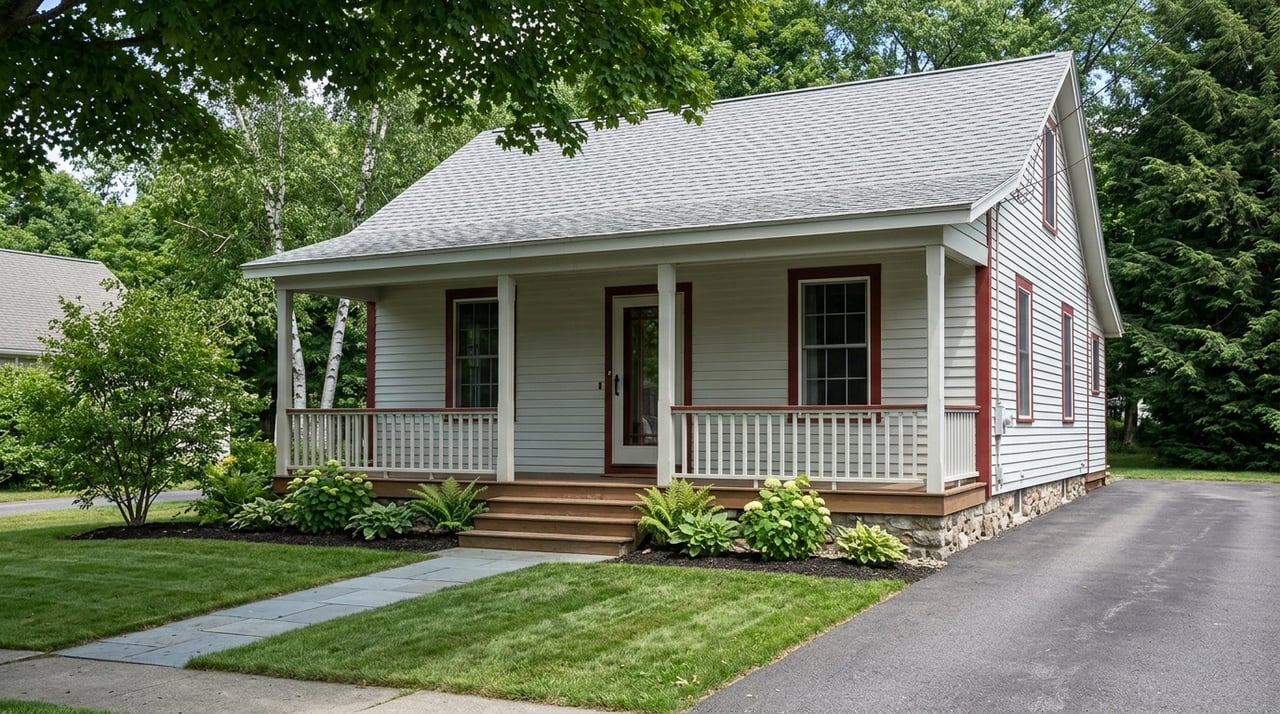
Cambridge VT Home Pricing Strategy for Confident Sellers
July 9, 2026
July 9, 2026
If you are getting ready to sell in Cambridge, pricing your home can feel like the biggest guess in the whole process. You want a number that reflects your property’s value, attracts serious buyers, and protects your negotiating position. The good news is that strong pricing is not a shot in the dark. It is a strategy built around local data, your home’s specifics, and your goals. Let’s dive in.
Your list price does more than set a number on paper. It shapes how many buyers decide to schedule a showing, how quickly interest builds, and how much room you may have when offers come in.
Recent market data shows why this matters. In Cambridge, recent portal snapshots showed low inventory, generally in the low teens to high teens, but that does not automatically mean every home will sell fast or at full price. Realtor.com’s December 2025 snapshot showed 71 days on market, a 97% sale-to-list ratio, and homes selling about 3.27% below asking on average.
That tells you something important. Even in a market with limited supply, buyers still respond strongly to value. A price that feels too ambitious can slow momentum instead of increasing it.
In a place like Cambridge, broad averages only go so far. Zillow reported a Cambridge home value index of $391,651, while Realtor.com showed a median home price of $469,900 in a different reporting period. Those figures are not interchangeable, and they should not be used as a shortcut for pricing your individual home.
That is because Cambridge is a small-town market with a wide mix of property types. Village homes, rural acreage, commuter-friendly locations, and seasonal properties can perform very differently from one another.
A home in Jeffersonville may compete with a different buyer pool than a property in Cambridge Village or a house with more remote road access. In this kind of market, your pricing strategy works best when it starts with comparable properties that truly match your home, not just the town name.
A strong price usually starts with a comparative market analysis, often called a CMA. According to the National Association of Realtors, agents use recent sold, pending, and active listings as comps, while also weighing size, location, amenities, condition, upgrades, repairs, and current market conditions.
That means your price should reflect more than square footage. It should also account for how your home lives, how it shows, and how it compares with the other choices buyers have right now.
In Cambridge, a pricing conversation should usually include:
If your home has features that are hard to duplicate, like rural acreage, mountain views, or proximity to local recreation, those details matter. So do practical items like access, especially in an area where road patterns and seasonal travel can influence buyer behavior.
Cambridge covers a large area and includes distinct pockets like Jeffersonville and Cambridge Village. It also sits near county lines and regional commuting routes, which can change how buyers evaluate convenience and value.
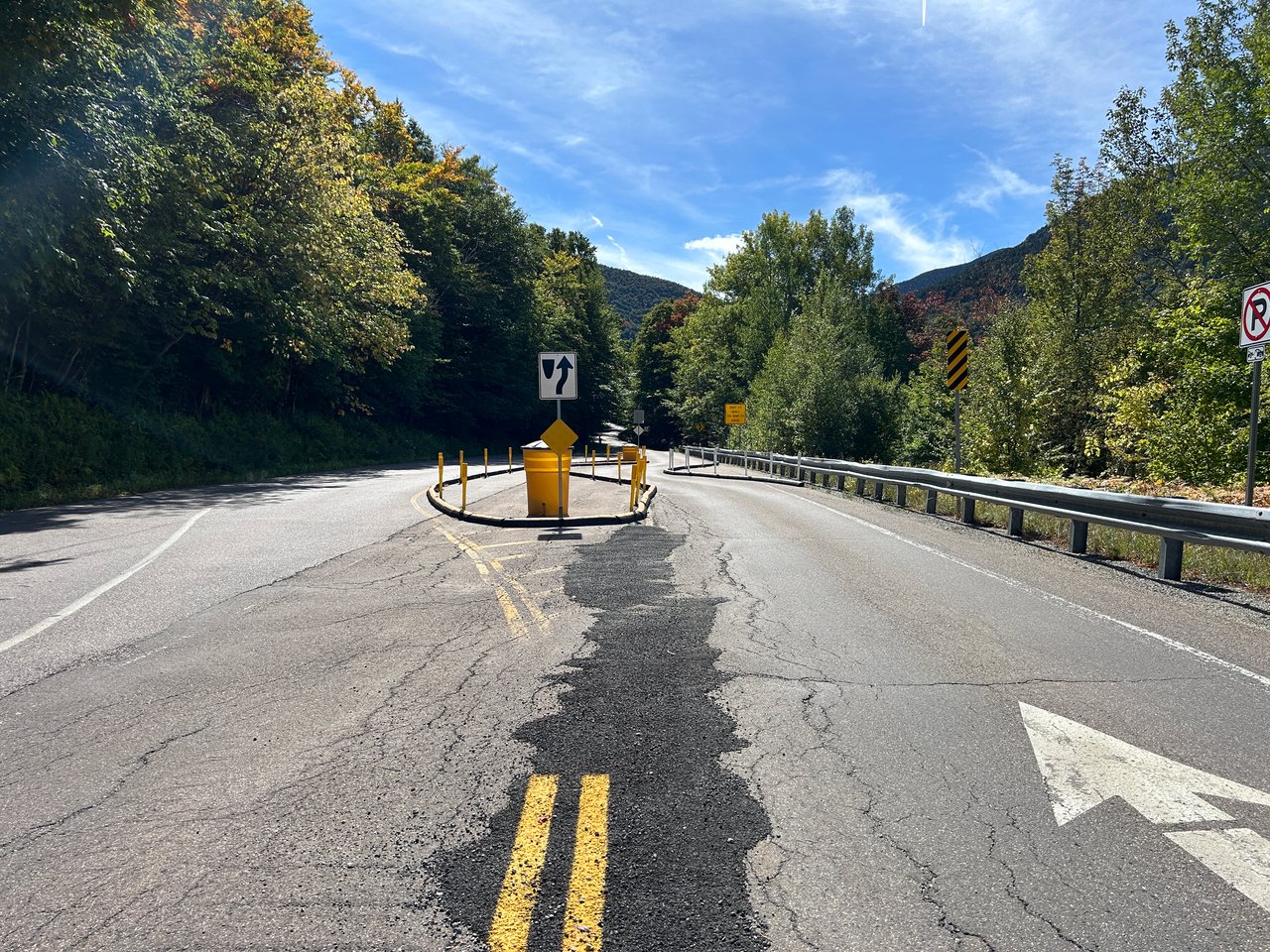
Seasonal access matters here too. VT-108 through Smugglers Notch is closed in winter, which can affect travel patterns and buyer expectations depending on where your property sits and who your likely buyer is.
This does not mean one area is better than another. It means pricing should reflect the reality of your specific location. A buyer comparing homes may care as much about drive patterns, setting, and land use as they do about bedroom count.
One of the biggest decisions you will make is whether to price more competitively for early activity or aim higher and leave more room to negotiate. There is no one right answer for every seller.
The right strategy depends on your priorities. If speed matters most, a sharper launch price may help attract more showings and stronger early attention. If you have more flexibility, you may choose a more aspirational approach, while understanding it can take longer to test the market.
Zillow’s 2026 analysis found that homes selling within seven days were 2.6 times more likely to sell above asking price. It also found that the typical sold home went pending after 19 days, while the median active listing had already sat for 56 days.
That gap is telling. Homes that hit the market with the right combination of price and presentation often create urgency. Homes that miss the mark can lose momentum and spend much longer waiting for the right buyer.
Statewide Vermont numbers support that pattern. Redfin reported that in May 2026, 23.4% of Vermont homes sold above list price, 97.4% sold-to-list, and 14.9% had price drops.
In plain terms, buyers are still willing to act on well-priced homes. But if a property starts too high, there is a real chance it may need a reduction later.
Pricing is not just about your home. It is also about what buyers can afford each month.
Freddie Mac reported a 30-year fixed mortgage rate of 6.43% on July 2, 2026. When borrowing costs are elevated, buyers tend to become more payment-sensitive, which can narrow the room for aggressive pricing.
That does not mean you should underprice your home. It means your asking price should line up with today’s buyer reality. In a higher-rate environment, a well-supported number can help you reach more serious buyers from day one.
A good pricing strategy does not stand alone. It works best when price, presentation, and marketing all support each other.
The National Association of Realtors notes that condition, repairs, upgrades, and concessions all play into pricing. Zillow’s 2026 research also found that listings with high-resolution photography, virtual tours, and interactive floor plans tend to sell faster and for more money.
That matters for Cambridge sellers because buyers are often comparing homes online before they ever book a showing. If your home looks polished, clear, and well-prepared, buyers are more likely to see the asking price as justified.
When these pieces work together, pricing feels more credible. That can improve both the quality of showings and the strength of offers.
Timing is not everything, but it can influence your pricing strategy. Zillow’s 2026 timing research found that late May is the national sweet spot, with homes listed then earning about 1.7% more on average, and Thursday has historically been the strongest day to list.
Spring generally brings more inventory and more buyer activity, while fall and winter can be more price-sensitive. In Cambridge, seasonal factors add another layer to that decision.
Because VT-108 through Smugglers Notch closes in winter, and local seasonal access can affect how buyers travel and tour, your pricing and marketing plan may need to adjust for the time of year. You do not have to wait for summer to sell, but winter and shoulder-season listings usually benefit from realistic pricing and clear presentation around access, snow conditions, and property use.
A helpful seller consultation should leave you with more than a suggested number. It should give you a clear framework for making a confident decision.
At minimum, that conversation should explain your likely price range, the tradeoff between speed and leverage, and what signals would suggest a future price adjustment if needed. It should also tie price to presentation, because these choices work best as one coordinated plan.
That kind of clarity helps you stay calm once your home goes live. Instead of reacting emotionally, you can make decisions based on real market feedback.
You always have the final say on your asking price. But the best outcomes often come from a collaborative process where local market knowledge, current data, and your goals all come together.
In Cambridge, that matters even more because broad averages can miss the real story. A village home, commuter property, resort-adjacent home, or rural parcel may each need a different strategy.
The goal is not to promise a magic number. The goal is to choose a well-supported price that improves your odds of attracting serious buyers, protecting your leverage, and moving forward on your timeline.
If you are thinking about selling in Cambridge, a thoughtful pricing strategy can make the whole process feel clearer and more manageable. For a local, data-driven conversation about your home’s value and the right launch plan for your goals, connect with Jill Richardson.
Stay up to date on the latest real estate trends.

Contact Jill today to learn more about her unique approach to real estate and how she can help you get the results you deserve.

44 Main St VT-108 Jeffersonville, VT 05464