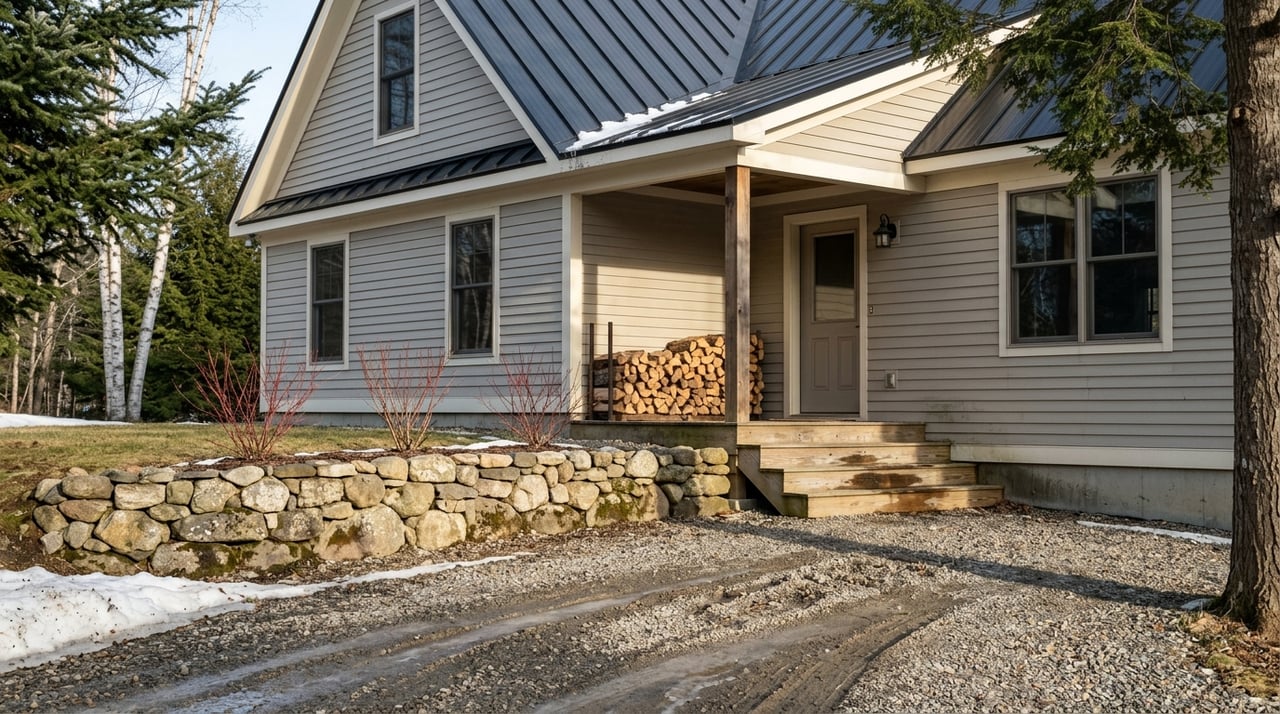
Jeffersonville Village vs Mountain Homes: What Fits?
June 18, 2026
June 18, 2026
Choosing between a village home and a mountain property near Jeffersonville is not just about style. It is about how you want your day-to-day life to work in every season. If you are weighing convenience against setting, this guide will help you compare the tradeoffs clearly so you can focus on the kind of home that fits you best. Let’s dive in.
Jeffersonville gives you two very different living experiences within a relatively small area. In the village, you get a compact center with a cluster of homes, services, and community buildings near the intersection of Route 15 and Route 108. Outside that core, you move into more rural, higher-ground, and tucked-away settings where privacy and scenery often become the main draw.
The village itself had 750 residents in the 2020 Census and includes about 75 residential and commercial buildings, many built between 1880 and 1920. It also has municipal water service and a limited sewer system. That mix creates a more traditional village feel than you will find in many nearby rural areas.
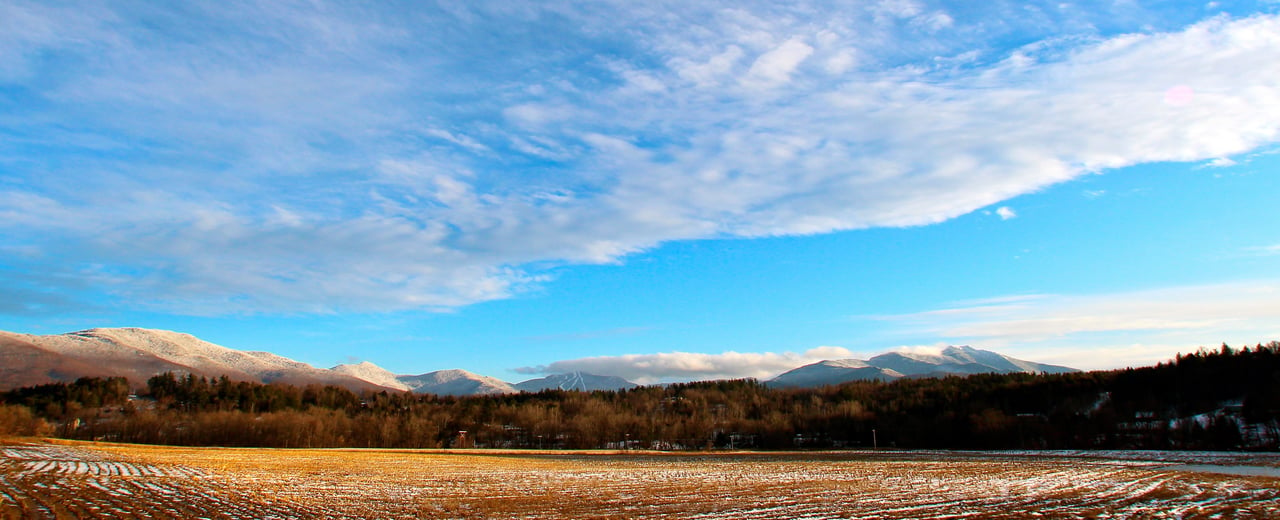
Jeffersonville is also known as the gateway to Smugglers' Notch. That location shapes how many buyers think about the area, especially if you are drawn to outdoor recreation, second-home use, or a mountain setting. Still, the right fit often comes down to logistics just as much as lifestyle.
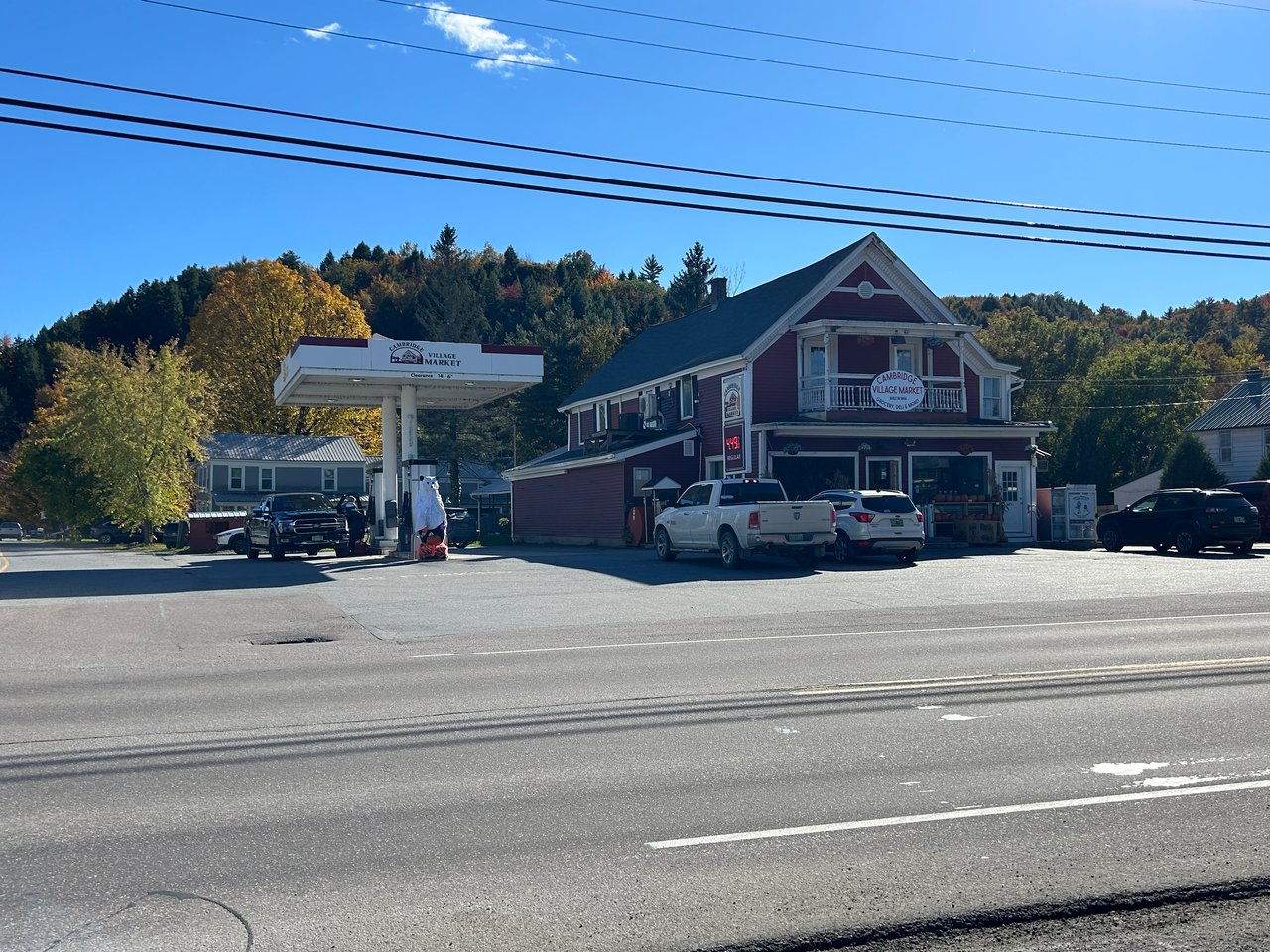
A village home in Jeffersonville often makes everyday errands and routines simpler. Cambridge municipal offices are located above the post office in Jeffersonville, and several community services are right in or near the village center. For many buyers, that kind of access matters more than they expect once they picture daily life.
Cambridge Elementary School is in Jeffersonville and serves students from pre-K through grade 6 from Cambridge and Jeffersonville. Varnum Memorial Library is on Main Street, and Cambridge Fire Company and Cambridge Rescue are also headquartered in Jeffersonville. These facts do not make one home better than another, but they do show how services are concentrated in the village.
Transit is another point in the village’s favor. The GMT Jeffersonville Commuter serves Jeffersonville and connects to places including Burlington, Winooski, Essex Junction, Essex, Jericho, and Underhill. The route currently runs on weekdays during peak periods only, with no weekend service, so it can be useful if your schedule lines up with it.
If being able to get around on foot matters to you, the village core generally offers the better setup. The municipal plan notes that most sidewalks are concentrated there and are generally in good or fair condition. That can make short trips and daily routines easier compared with a more remote property.
At the same time, village walkability is not perfect. The same plan notes there is no formal pedestrian crossing of Route 15, and pedestrian crossings on Main Street and School Street are poorly marked. So while village living can support more walkable habits, it is still important to look at the exact location of a home and how you would move through the area.
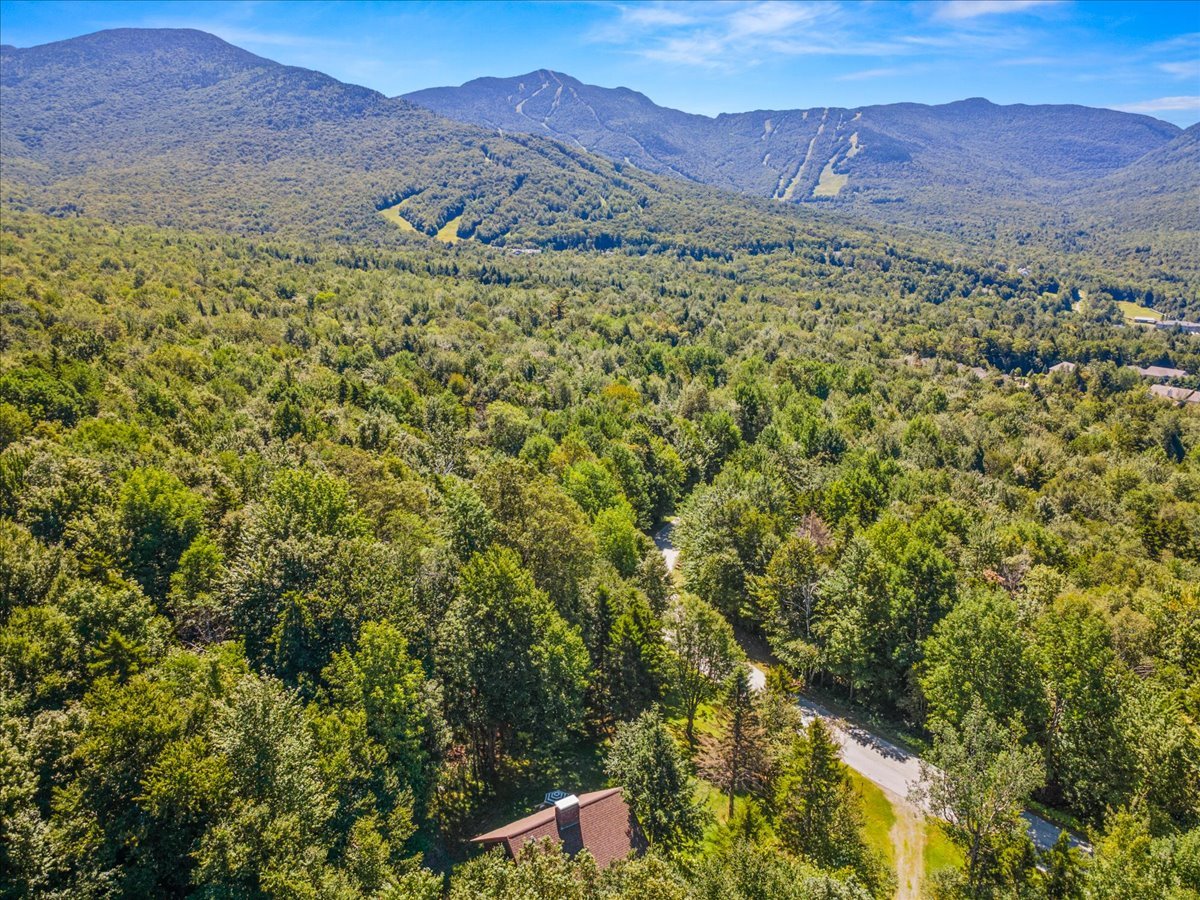
If your priority is setting, a mountain or more secluded home may feel like the clear winner. These properties often appeal to buyers who want more privacy, stronger access to recreation, or a quieter rural environment. Near Jeffersonville, that can mean homes on higher ground, homes tucked off the main roads, or properties closer to the mountain access corridors.
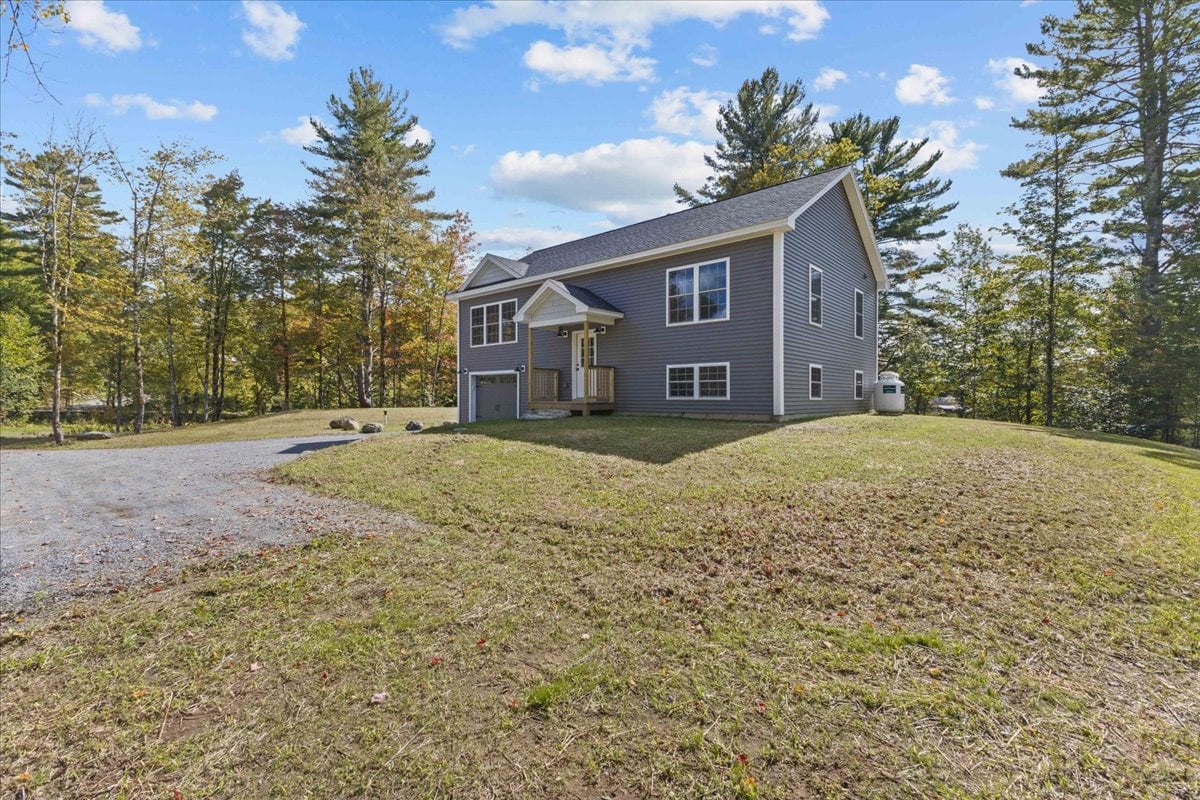
The tradeoff is that daily logistics usually become more property-specific. You may have more responsibility for your driveway, winter access, drainage, and utility systems. That does not make these homes less desirable. It simply means they tend to work best for buyers who are comfortable with a more hands-on property experience.
Smugglers' Notch State Park is a nearby amenity and part of the area’s appeal. Its official season runs from the third weekend in May through the second Monday in October, which reinforces the area’s strong seasonal recreation draw. For some buyers, that seasonal rhythm is a feature, not a drawback.
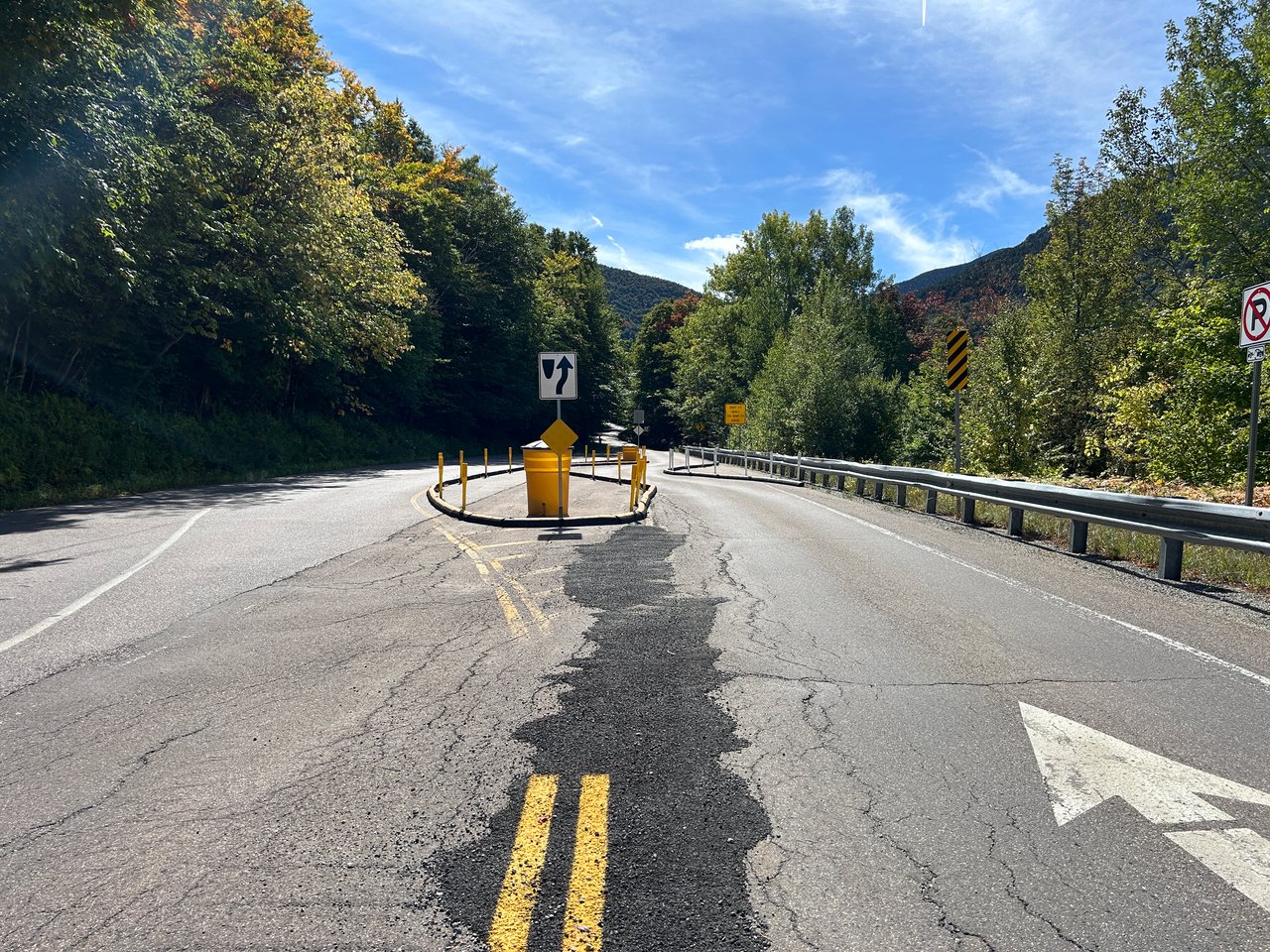
One of the biggest practical differences between a village home and a mountain-area property is winter travel. Vermont law allows the Agency of Transportation to close the Smugglers' Notch segment of Route 108 during winter weather. Vermont also prohibits oversized trucks from using the notch, and the road is described by Vermont State Parks as a narrow pass with 1,000-foot cliffs that is closed in winter.
If you are considering a home that relies on Route 108 or is closely tied to notch access, this is a key point to understand. In warmer months, the location may feel highly convenient for recreation. In winter, access patterns can change in ways that affect commuting, travel time, and overall ease of use.
This does not mean mountain-area properties are a poor choice. It means you should be realistic about what winter access looks like and whether it matches your plans for full-time living, part-time use, or seasonal enjoyment.
The village has the clearest advantage when it comes to public utilities. Jeffersonville operates municipal water service and a limited sewer system, although some residents outside the service area still rely on private wells and springs. If you like simpler utility planning, that can be a meaningful benefit.
For higher-elevation or more secluded homes, maintenance tends to be more site-specific. Buyers should be prepared to think about driveway grading, snow removal, erosion control, septic placement, and drainage. In Jeffersonville, these are not abstract concerns. The municipal plan specifically notes that steep slopes can constrain development, that snow removal may require special design considerations, and that state septic rules prohibit septic systems on slopes above 20 percent.
That makes due diligence especially important when you are shopping for a hill or mountain property. A beautiful setting may absolutely be worth it to you, but it is wise to understand the long-term upkeep that comes with it.
It is easy to assume village homes are easier across the board, but that is not always true. Jeffersonville sits on river bottomland at the mouth of the Brewster River, and local planning documents identify flood hazard areas along the Lamoille and Brewster Rivers. The 2020 hazard mitigation plan also lists flooding, fluvial erosion, ice jams, wind storms, landslides, drought, and ice storms as significant hazards in the community.
Village buyers should pay close attention to flood hazard zones. Jeffersonville’s flood hazard bylaws prohibit new structures in the 100-year floodplain and call for caution in the 500-year floodplain. The municipal plan also notes that a Route 15 closure during a major flood could affect evacuation and emergency response.
Higher-ground properties come with a different set of concerns. The municipal plan points to steep slopes in parts of the village area, landslide-prone conditions along the Brewster River, and flash-flood risk along roads and driveways that descend steep hills. In other words, both village and mountain buyers need to evaluate the site carefully, just for different reasons.
If convenience is your top priority, the village often makes the strongest case. You may be closer to public services, municipal utilities, sidewalks, school, library access, and the commuter route. That can make everyday life feel simpler, especially if you commute or want a more connected in-town setting.
If privacy, scenery, or recreation access matters most, a mountain or tucked-away home may be the better match. These homes often attract buyers who know exactly what they want and are comfortable with more maintenance and less predictable winter travel. For the right buyer, that tradeoff can feel well worth it.
In practical terms, village homes often have broader everyday appeal because of their service pattern and ease of use. More rural and mountain-oriented homes tend to appeal to a narrower but highly motivated group of buyers who want a specific lifestyle. Neither choice is better across the board. The right answer depends on how you want to live.
Before you choose between a village home and a mountain property near Jeffersonville, it helps to verify a few details for any home you are considering. Small differences in location can have a big impact on how a property functions.
Here are four smart items to check:
These details can help you avoid surprises and compare homes more confidently. They also make it easier to separate a property that looks good online from one that truly fits your day-to-day needs.
If you want a calm, local read on which areas near Jeffersonville may suit your goals, working with someone who understands both village logistics and rural property realities can make the process much easier. When you are ready for practical guidance, reach out to Jill Richardson for a free consultation and home valuation.
Stay up to date on the latest real estate trends.
Contact Jill today to learn more about her unique approach to real estate and how she can help you get the results you deserve.
44 Main St VT-108 Jeffersonville, VT 05464