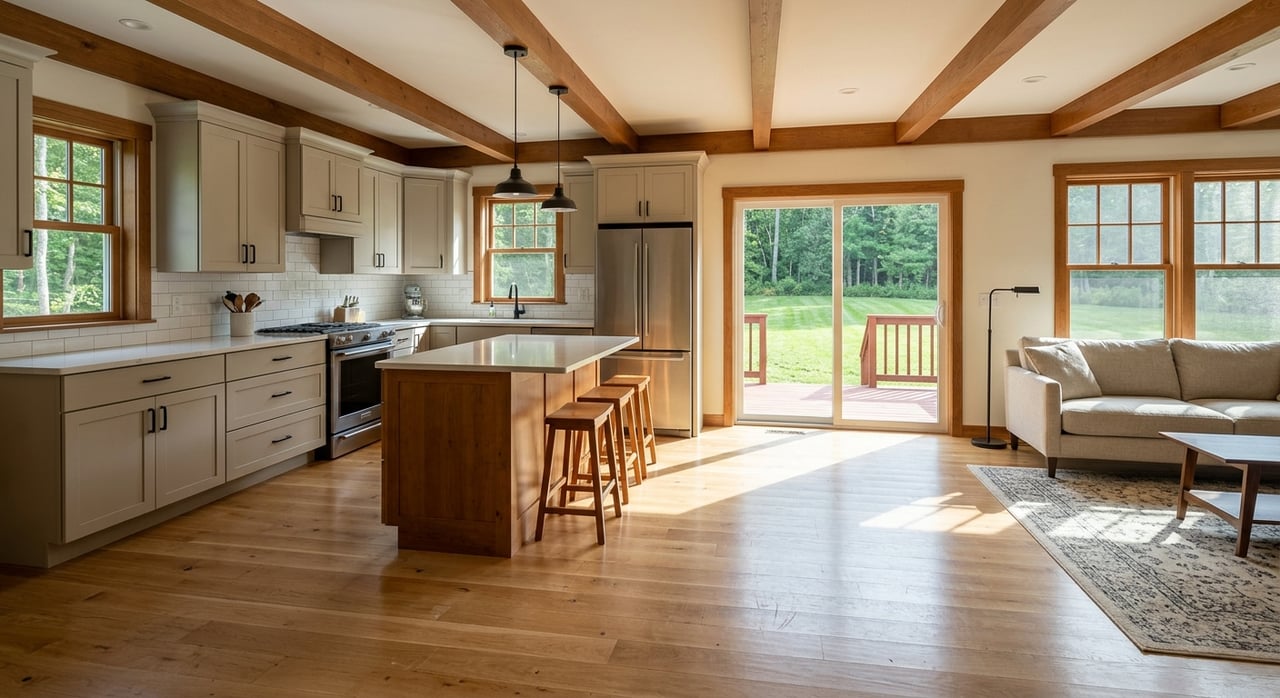
How to Buy Move Up Homes in Cambridge VT Wisely
June 25, 2026
June 25, 2026
Wondering whether it’s the right time to move up in Cambridge, VT? If your current home feels tight, your layout no longer fits your routine, or you want more space without losing your connection to this area, you are not alone. A move-up purchase comes with bigger decisions than a first home, especially when you are balancing equity, timing, taxes, and property details all at once. This guide walks you through what matters most in Cambridge so you can plan your next move with more clarity and less stress. Let’s dive in.
Cambridge offers a mix of village homes and rural properties, which gives you more than one path when you are ready for your next house. You may be looking for a home closer to daily services, or you may want more land, more privacy, or a different layout. That flexibility is part of what makes Cambridge such a practical move-up market.
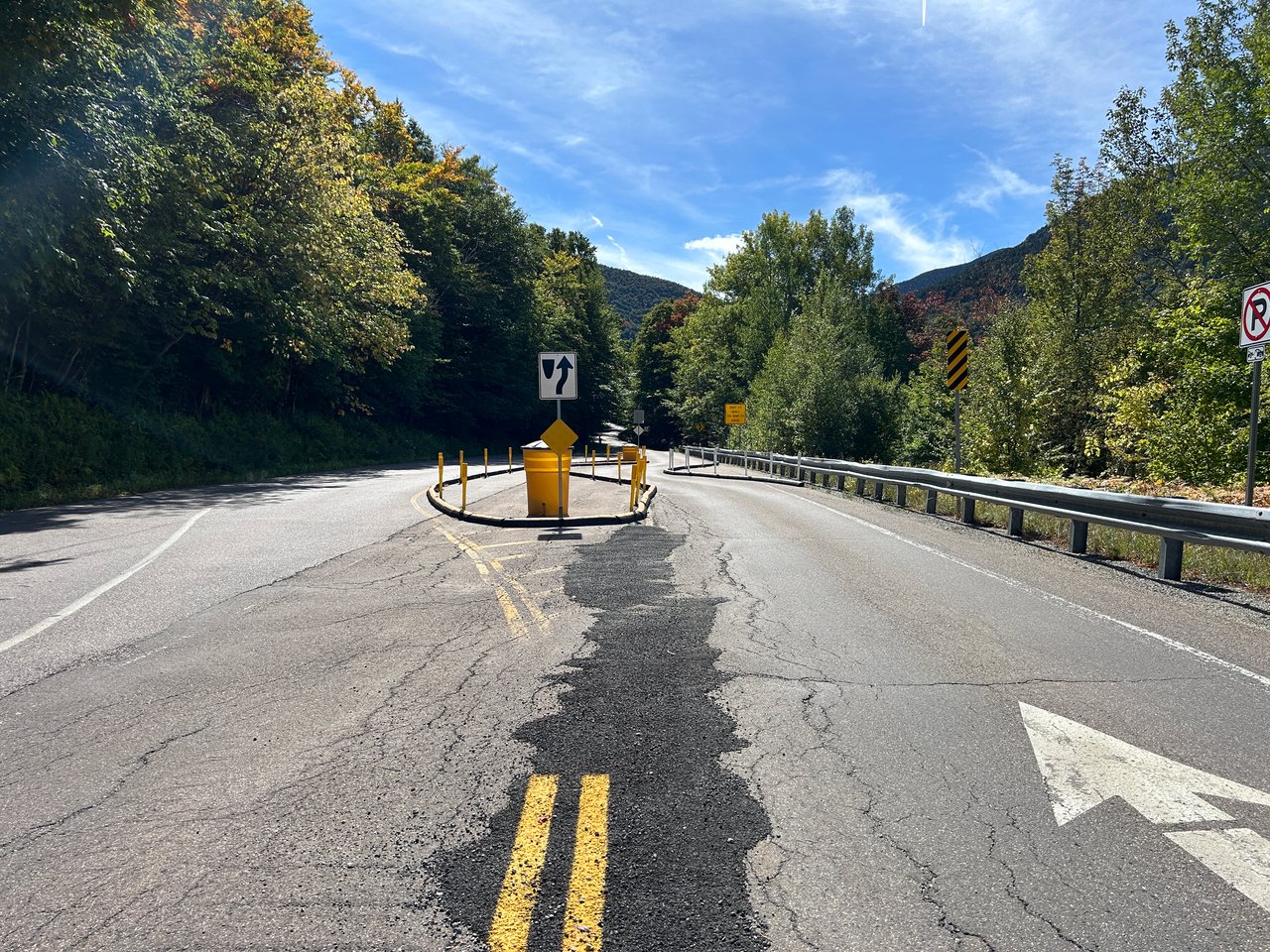
The town covers 63.6 square miles and includes both Cambridge and Jeffersonville. It is about 27 miles from Burlington and 48 miles from Montpelier, which matters if your move-up decision also involves commute planning. Routes 15, 108, 104, and 109 cross town, but Route 108 through Smugglers’ Notch closes seasonally in winter, so access should always be part of your home search.
Current pricing in Cambridge sits in the high $300,000s. Recent market data shows a median listing price of $380,000, 26 active listings, and a median of 28 days on market in May 2026. On average, homes sold for about asking, and the market was characterized as buyer-friendly.
That can create opportunity if you are moving up. On the buying side, you may have a little more room to compare options and negotiate thoughtfully. On the selling side, it still pays to price carefully and present your current home well, because homes are selling and buyers are paying attention.
Cambridge also sits slightly below Vermont’s broader typical home value, which was reported at $400,274 as of May 31, 2026. Zillow’s Cambridge home-value index was $391,651 on the same date, down 0.6% from the prior year. That does not tell you what any one home is worth, but it does help frame the market you are buying into.
For most move-up buyers, the first big question is not the next house. It is your current house. Before you tour properties, you need a realistic estimate of how much equity you may be able to use and how that fits with your next monthly payment, closing costs, and cash reserves.
A smart starting point is to map out your likely net proceeds, not just your sale price. That means looking at your current mortgage payoff and the costs connected to selling. Once you know that number, you can better judge what price range makes sense for your next purchase.
Move-up buyers in Cambridge usually need to choose one of three paths. The right one depends on your finances, comfort with risk, and how quickly you expect your current home to sell.
Selling first gives you the clearest picture of your budget. You know how much equity you actually have, and you avoid carrying two homes at once. This route often reduces stress, but it can mean finding temporary housing or moving twice if you do not secure your next home right away.
Buying first can make life easier if you need a smoother household transition. It may be especially appealing if timing matters for work, daily routines, or a planned move. The tradeoff is that you need enough financial flexibility to carry overlap and handle two transactions at once.
Some buyers aim for a brief overlap between sale and purchase. That can give you more control over timing while reducing the pressure to rush either side. In a move-up scenario, this middle path can work well when you plan early and stay realistic about the logistics.
In Cambridge, moving up is not always about square footage alone. A better home is often one that works better day to day. That may mean more usable bedrooms, a true office, better storage, or a floor plan that handles busy routines with less friction.
Because Cambridge includes both village settings and more rural properties, function matters in very practical ways. Features that often make a difference here include:
The goal is not simply to buy bigger. It is to buy smarter for the way you actually live.
One of the most important Cambridge-specific questions is how a property works in all seasons. A beautiful house can feel very different in January than it does during a sunny showing. Driveway length, road access, plowing needs, and exposure to winter weather can all affect your daily experience and your budget.
This is especially important in a town where major routes shape commute patterns and seasonal road closures can affect travel. If you are comparing properties, ask yourself how easy the home will be to reach, maintain, and enjoy throughout the year. Those practical details also matter later when you sell.
If you are moving up to a larger lot, acreage, or a property with future plans, due diligence matters. Cambridge’s posted development guidelines state that there are no zoning regulations in town, but that does not mean there are no rules. In practice, buyers still need to pay attention to permits and site-specific restrictions.
The town’s guidelines note that subdivisions or boundary changes outside the Village of Jeffersonville require Development Review Board approval. New or changed driveway access requires an access permit. Development also must comply with flood-hazard, wetland, wastewater, and water-supply requirements.
That means a larger parcel is not automatically simple. If you are considering outbuildings, accessory space, expansion, or changes to the lot, you will want to verify what is actually allowed and what the site can support.
When you are touring homes in Cambridge, try to look beyond finishes and staging. A move-up purchase often involves more land, more systems, and more long-term responsibility than your first purchase did. Asking detailed questions early can help you avoid surprises later.
Focus on practical topics like:
In Cambridge, the best property is often the one that is not just appealing, but also serviceable and manageable over time.
Property taxes are a major part of move-up planning in Vermont, especially if the home will be your primary residence. The Vermont Department of Taxes defines a homestead as your principal dwelling and surrounding parcel. If you meet the filing requirements, you must file a Homestead Declaration each year, and the reminder sheet notes that the declaration is due by the April deadline.
This matters because your tax bill may not track neatly with the purchase price. Cambridge’s estimated FY26 common level of appraisal is 62%, and its estimated statewide adjustment factor is 87%. In plain terms, assessed values and market values may not line up closely, so tax planning deserves a closer look before closing.
For eligible homestead filers, Vermont’s system can also include a property tax credit based on household income. If you are moving up, it is worth estimating your likely carrying costs in advance so your monthly budget reflects the home you are buying, not just the mortgage payment.
The right move-up home should fit your life now, but it should also hold broad appeal for future buyers. In Cambridge, resale is likely to favor homes that are easy to live in year-round. Straightforward access, manageable winter maintenance, clear utility and permit history, and practical layouts all tend to strengthen long-term appeal.
Location value also connects to the town’s route network and regional access. Cambridge often competes with other commuter-oriented Vermont towns as well as more rural alternatives. That means convenience and ease of use can matter just as much as charm.
For buyers considering school pathways as one part of location planning, Cambridge Elementary School serves Cambridge town, Cambridge Village, and Jeffersonville Village. It is part of Lamoille North Supervisory Union and feeds to Lamoille Union Middle School and Lamoille Union High School. This is one more local detail to factor into your search if it matters to your household.
Moving up in Cambridge is rarely about making a fast leap. It is usually about making a well-timed, well-planned transition from one stage of homeownership to the next. When you understand your equity, choose the right buying sequence, and look carefully at taxes, access, and site details, you put yourself in a much stronger position.
That is where local knowledge can make the process feel a lot more manageable. If you are thinking about selling your current home and buying your next one in Cambridge or nearby, Jill Richardson can help you evaluate timing, value, and property-specific details with the steady guidance this kind of move deserves.
Stay up to date on the latest real estate trends.


Contact Jill today to learn more about her unique approach to real estate and how she can help you get the results you deserve.

44 Main St VT-108 Jeffersonville, VT 05464