How to Prepare to Sell a Home in Jeffersonville VT
May 28, 2026
May 28, 2026
If you are thinking about selling in Jeffersonville, timing your prep can make a real difference. In a market where homes may sit longer and buyers are paying close attention to condition, pricing, and paperwork, the homes that feel ready tend to stand out. The good news is that you do not need to do everything at once. With a clear plan, you can prepare your home, reduce surprises, and launch with confidence. Let’s dive in.
Jeffersonville is not a one-size-fits-all market. Some properties are historic village homes built in the late 1800s or early 1900s, while others are rural homes, acreage properties, or resort-adjacent listings with private systems and different access considerations.
That mix means buyers often look closely at the details. Utility type, road access, age of major systems, and ongoing maintenance can all shape how your home is viewed. In a buyer-leaning market, strong preparation helps you present a clear, honest story from day one.
Public market trackers also point in the same direction. While the exact numbers vary by source, both recent Jeffersonville and Lamoille County market snapshots suggest homes are taking time to sell and often close below list price. For you as a seller, that means condition, presentation, and pricing deserve real attention before your home hits the market.
A 60- to 90-day lead time gives you room to solve problems before buyers discover them. It also helps you avoid the rush that can lead to incomplete records, delayed repairs, or stressful last-minute decisions.
This early window is a smart time to walk through your home with fresh eyes. Look at the roof, siding, windows, heating system, plumbing, electrical updates, and any spaces that might raise questions, such as basements, mudrooms, utility rooms, and outbuildings.
A pre-sale inspection is not required, but it can be useful. It may identify issues you can repair, price around, or document in advance, which gives you more control before showings and negotiations begin.
One of the best ways to make a sale feel smoother is to build your property file early. Buyers and lenders often ask for documents quickly once a home is active or under contract, and it helps when you already have them organized.
Start by collecting records such as:
Vermont's standard seller property information report asks about many of these topics. It includes questions on drainage, flooding, road maintenance, water, septic, roof issues, lead paint, radon, mold, permits, easements, and zoning or tax matters. When you have these answers ready, you can reduce friction and respond more confidently to buyer questions.
Selling in Cambridge and Jeffersonville also means preparing for a few Vermont-specific disclosure items that can affect timing and negotiations. These are worth addressing early, especially if your home is older or uses private systems.
Vermont law requires sellers to provide flood-related information before or as part of the contract process. This includes a FEMA flood map or notice that one is unavailable, whether the property experienced flooding or flood damage during your ownership, and whether you maintain or must maintain flood insurance.
This matters in Jeffersonville, where the village sits at the confluence of the Brewster and Lamoille Rivers and in Cambridge where the Seymour and Lamoille Rivers merge. If flood information is incomplete, a buyer may have the right to terminate the contract before title transfer or occupancy.
Lead rules are especially important for pre-1978 homes. Vermont requires sellers of pre-1978 housing to disclose lead-related information, provide approved educational materials, and give buyers a separate federal lead disclosure form with a 10-day opportunity to inspect or risk-assess unless that right is waived.
Because much of Cambridge and Jeffersonville villages' core was built before 1920, this step should be on your checklist from the beginning. If your home is older, lead-safe preparation and documentation can help you avoid delays later.
If your property is served by a private well or spring, testing should happen before your home goes on the market. The Vermont Department of Health recommends annual bacteria testing, a broader homeowner testing package every five years, and specifically notes that the best time to test is before listing.
Private water is common across Vermont, and the owner is responsible for testing and maintenance. Sellers who are not on public water must also provide buyers with the state's private-water buyer guide.
Not every Cambridge and Jeffersonville property is on the same type of wastewater system. The Jeffersonville village center has municipal sewer service, but many nearby homes rely on on-site wastewater systems. Cambridge Village does not have municipal services.
If your property has a septic or other on-site system, gather installation details, pumping history, inspection dates, and any repair records. Buyers often want to understand the age, condition, and maintenance history of these systems before moving forward.
Radon is worth considering during pre-listing prep, especially in older homes with basements. Some pre-sale inspections may also include radon, mold, lead paint, or asbestos screening.
You do not need to assume every issue will become a problem in the sale. But if you test early and document what you find, you are in a stronger position to explain the home's condition clearly.
Not every home needs a major overhaul before listing. In many cases, the most important work is the work that removes doubt.
Prioritize items that affect safety, function, or a buyer's first impression. Leaky faucets, missing handrails, cracked window panes, damaged trim, poor lighting, or signs of deferred maintenance can make buyers wonder what else has been overlooked.
If you choose not to repair certain items, that is not always a deal breaker. What matters is knowing what you are selling, pricing accordingly, and being ready to discuss it honestly.
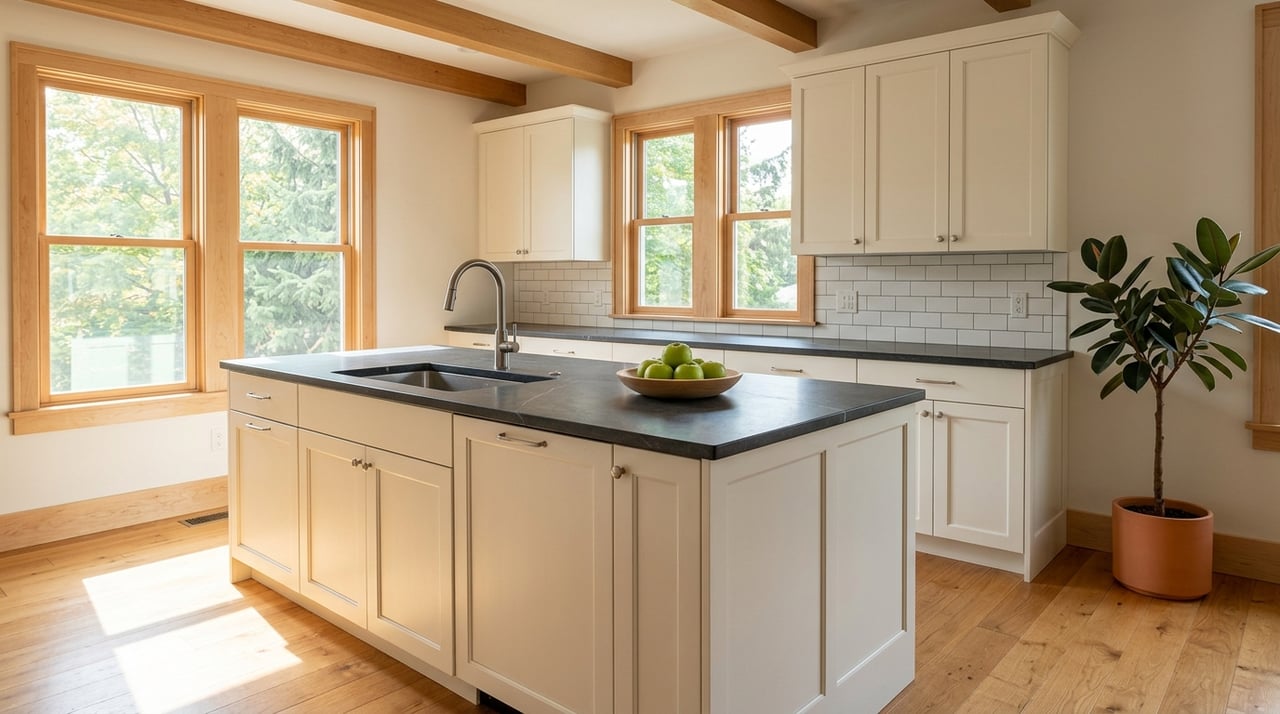
In the final weeks before launch, visual presentation matters. Buyers usually see your home online first, and photos often shape whether they decide to schedule a showing.
A strong pre-listing refresh often includes:
This kind of work does not need to feel fancy. In Jeffersonville and Cambridge, clear, bright, well-kept spaces often do more for a listing than heavy decorating.
Staging should match the kind of home you are selling. According to the National Association of Realtors' 2025 staging report, the living room, primary bedroom, and kitchen are the most important rooms to stage. The same report found that staging can help buyers visualize a property and may support stronger offers or slightly less time on market.
For village homes, the goal is usually clarity and scale. Many homes in the historic core have compact rooms, older layouts, and architectural character that can shine when the space feels open and easy to understand.
Focus on clean lines, tidy surfaces, a welcoming entry, and balanced lighting. Large furniture, excess decor, and overly personal items can make smaller rooms feel tighter in photos.
For rural homes, buyers also need help understanding how the property functions. That means your driveway, mudroom, utility areas, outbuildings, and land access should feel easy to read.
If your home is on a private road, have any road maintenance agreement ready. If access is affected by seasonal conditions near Smugglers' Notch, that is also helpful context to prepare for showings and buyer questions.
High-quality marketing matters in Cambridge-Jeffersonville, especially because some buyers may come from outside the immediate area. For second-home buyers, relocators, or buyers planning a trip around showings, your online presentation may do most of the early selling.
Recent staging data shows that photos are one of the most important listing tools, with videos, virtual tours, and physical staging also carrying real value. A polished digital presentation helps buyers understand the home before they ever step inside.
This is where thoughtful preparation pays off. Clean rooms, good light, and a well-organized property file support better photography, better buyer interest, and more productive showings.
Preparation and marketing are important, but pricing still sets the tone. In a market where homes may spend more time on the market and sale-to-list ratios suggest buyers have room to negotiate, pricing too high can make the rest of your hard work less effective.
A realistic price should reflect your home's condition, location, utility setup, and level of updating. It should also account for whether your property is a historic village home, a commuter-friendly house, a resort-adjacent chalet, or a rural property with land and private systems.
The goal is not to guess high and hope. The goal is to launch with a price that encourages serious interest and supports a cleaner negotiation process.
Once your listing goes active, buyers will likely ask detailed questions. They may want information about flooding, water source, wastewater, permits, roof age, service history, road agreements, and any prior testing for radon or lead-related concerns.
Many buyers will also complete their own inspection as part of the purchase agreement. If you completed a pre-sale inspection or gathered strong records in advance, you will be better prepared to respond calmly and keep the transaction moving.
If private well testing reveals a problem, treatment and retesting can help verify the fix. If an older home raises concerns about lead, radon, or asbestos, buyers may request additional specialist input. In most cases, complete information and steady communication help more than scrambling after the first offer arrives.
The strongest Cambridge and Jeffersonville listings usually do not come together at the last minute. They start with early planning, complete records, realistic pricing, and a presentation that helps buyers feel informed from the beginning.
Whether you are selling a village home with historic character or a rural property with land and private systems, the same principle applies. When you prepare before the sign goes up, you give yourself more options and a better chance at a smoother sale.
If you are getting ready to sell in Cambridge or Jeffersonville, working with a local agent who understands village homes, rural properties, municipal details, and premium listing presentation can make the process feel much more manageable. For practical guidance and a clear plan, reach out to Jill Richardson.
Stay up to date on the latest real estate trends.

Contact Jill today to learn more about her unique approach to real estate and how she can help you get the results you deserve.

44 Main St VT-108 Jeffersonville, VT 05464