What The Seasons Are Like In Jeffersonville VT
June 4, 2026
June 4, 2026
If you are thinking about living in Jeffersonville, one question matters more than people expect: what does daily life actually feel like through the year? In a place with true winter, short shoulder seasons, and a very active summer and fall, the weather shapes everything from your commute to how you use your home. Understanding the seasons can help you choose the right property, plan ahead, and feel more confident about a move. Let’s dive in.
Jeffersonville offers a full Vermont four-season experience. Nearby Burlington climate normals give a useful regional benchmark, with January average highs around 28.2°F and lows around 11.8°F, while July averages about 81.8°F and 61.3°F. The area also sees average annual precipitation of 37.5 inches and average annual snowfall of 85.6 inches.
That said, Jeffersonville can feel a little different from Burlington on any given day. Inland Vermont weather varies with elevation, valley location, and terrain exposure, so temperatures and snow conditions may shift from one part of the area to another. For you as a buyer or homeowner, that means the setting of a home can make a real difference in how each season feels.
NOAA freeze data for inland Vermont also helps explain the local rhythm of the year. First freezes often arrive from the latter half of September into the first week of October, while last freezes often land between mid-May and early June. In practical terms, spring and fall can feel shorter and more changeable than you might expect.
Winter is often the first season people picture when they think about Jeffersonville. Cold mornings, snow-covered ground, and regular plowing are all part of the normal pattern. Nearby climate normals show January and February daytime highs in the 20s to low 30s, and January alone averages more than 21 inches of snow.
With annual snowfall above 85 inches in the regional benchmark, snow is not an occasional disruption. It is simply part of how life works here. If you are moving from a milder climate, this is one of the biggest adjustments to understand upfront.
Winter driving is a real part of daily life, especially near Smugglers’ Notch and VT-108. Vermont’s transportation agency notes ongoing attention to the Smugglers’ Notch corridor, including efforts to reduce stuck tractor-trailer traffic in the Notch area. For residents, road awareness matters during active weather.
A practical winter routine often includes:
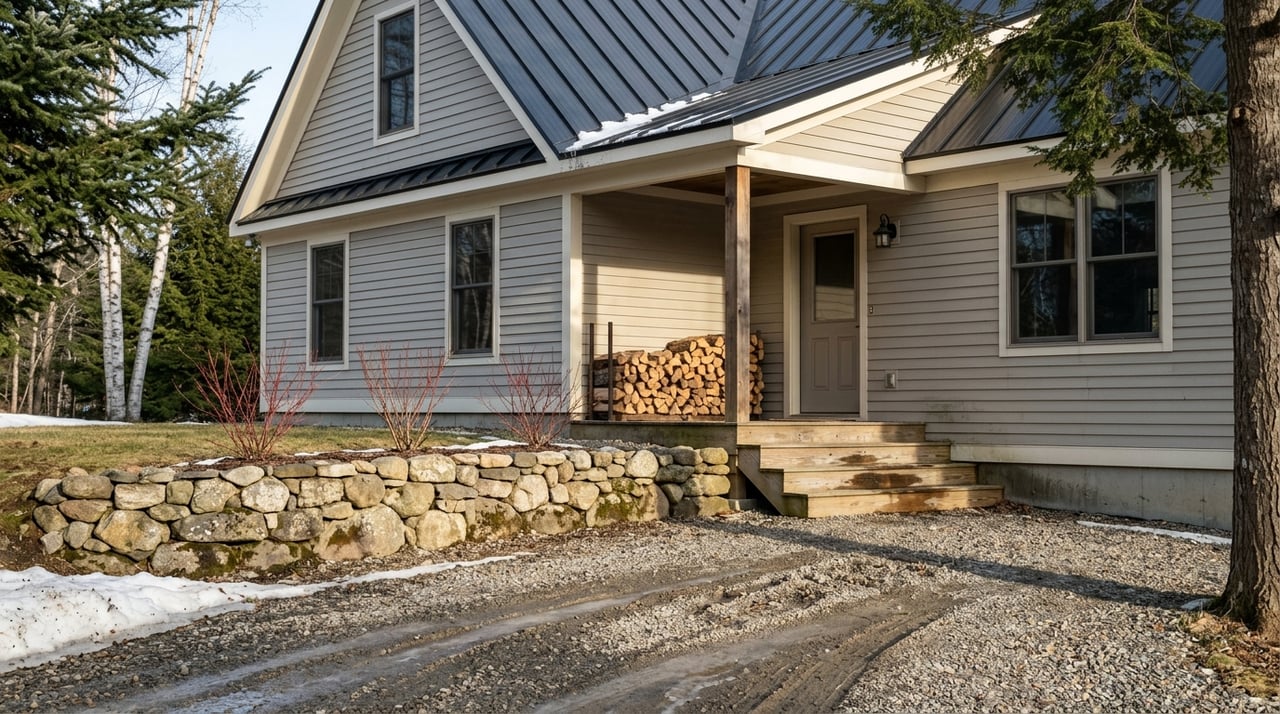
In Jeffersonville, winter-ready homes tend to be homes that hold heat well and handle snow without constant issues. The Department of Energy recommends winter weatherization steps like air sealing, insulating pipes, and managing thermostat settings carefully to reduce heat loss and help prevent frozen or burst pipes.
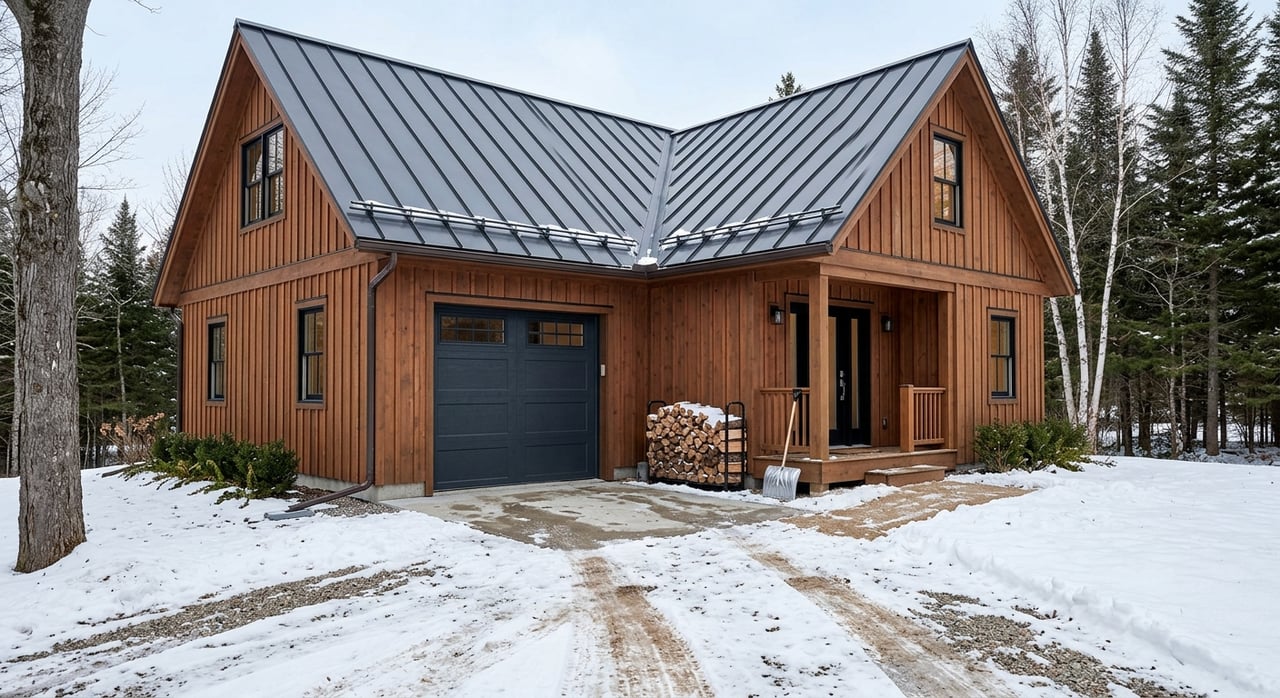
If you are buying here, winter is a good lens for evaluating a property. You may want to look closely at heating efficiency, pipe protection, entryways, roof snow management, and how easy the driveway and walkways will be to maintain. These details can affect comfort just as much as square footage.
Winter is not only about preparation. It is also one of the reasons many people love living here. Smugglers’ Notch Resort highlights winter skiing, snowboarding, night ski school, and year-round indoor pool and hot-tub use, which gives the season an active and social feel.
For second-home buyers and full-time residents alike, winter in Jeffersonville often feels less limiting than expected. When you are set up for it, the season becomes part of the appeal.
Spring in Jeffersonville is more of a transition than a clean reset. Vermont Sea Grant describes spring as a season where sunshine can be interrupted by flurries and mud, which fits this area well. The freeze-thaw cycle is a normal part of late winter and early spring.
NOAA freeze climatology shows why spring can feel slow to settle in. In inland Vermont, the last freeze often does not arrive until mid-May or even early June, depending on location and terrain. That means early warm days do not always signal that winter is fully gone.
Spring usually brings a mix of thaw, runoff, and softer ground conditions. Driveways, yards, and entry areas can get muddy as snowpack disappears. If you own property, this is also the season when drainage becomes easier to notice.
For everyday planning, spring often means:
Spring has a quieter feel than peak winter or summer. Smugglers’ Notch keeps some year-round amenities available during this in-between season, with trails, pool use, and family programming helping bridge the gap before summer arrives.
Summer is when Jeffersonville feels the most open and outward-facing. Regional normals show June through August highs in the upper 70s to low 80s, with lows in the mid-50s to low 60s. Monthly precipitation of roughly 3.5 to 4.3 inches points to warm days, comfortable evenings, and enough rain to keep the landscape green.
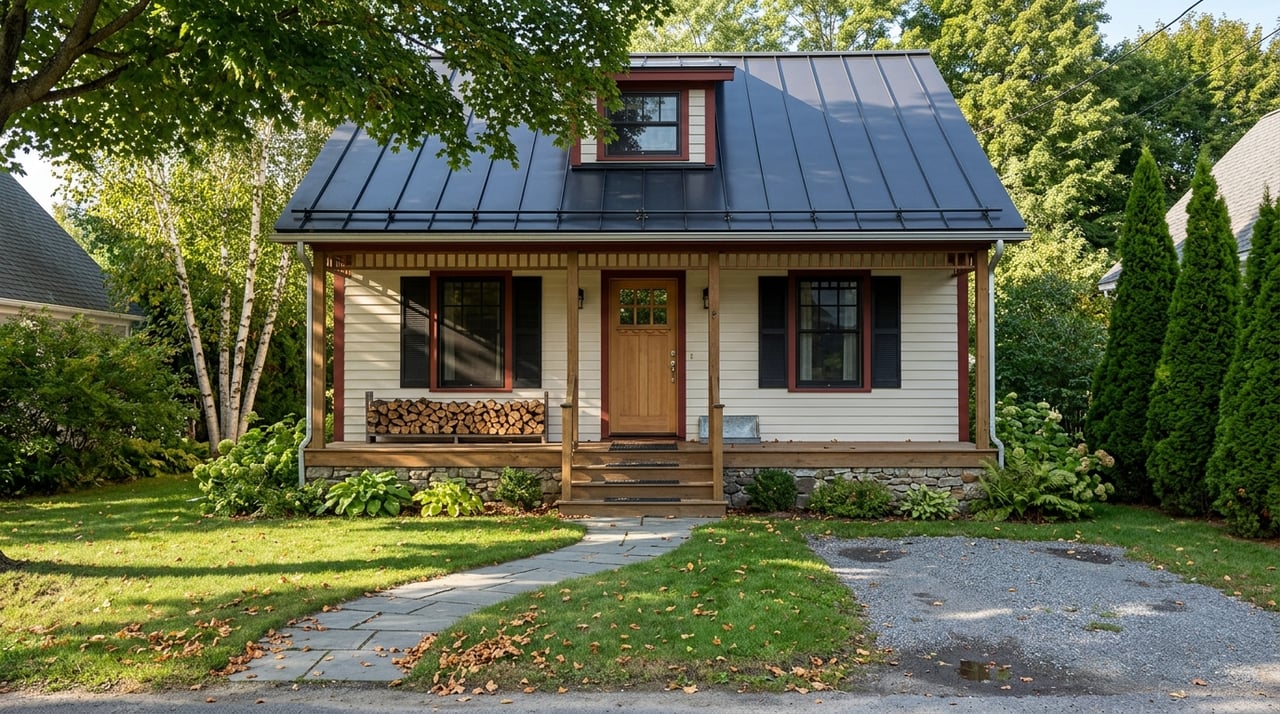
For many buyers, this is the easiest season to picture yourself here. The weather supports time outside, the village is more active, and homes show a different side of their value. A porch, deck, yard, or shady lot tends to matter more when you can use it regularly.
The village calendar becomes noticeably busier in summer. The Jeffersonville Farmers’ Market runs on Wednesdays from June 3 through September 30 and serves as a seasonal gathering place in the village, with live music and access along the Cambridge Greenway and Brewster River corridor.
Smugglers’ Notch also adds to that energy with a July 4 celebration that includes a parade, town fair, and fireworks. Together, these events give summer a distinctly small-town rhythm that many buyers are looking for when they move to this part of Vermont.
Summer programming at Smugglers’ Notch includes pools, water activities, hiking, picnics, and other outdoor options. This is the season when the area’s resort and recreation identity is easiest to see in daily life.
If you are comparing homes, summer can help you think beyond the interior. You may notice how often you would use the yard, whether the deck gets good shade, or how well the property supports indoor-outdoor living. Those quality-of-life details can shape your experience as much as the floor plan.
Fall is often the season that most clearly marks the shift into a new year. Regional climate normals show October cooling to an average high of 58.2°F and low of 40.8°F, then November dropping to 45.8°F and 31.0°F. NOAA freeze data for inland Vermont places first freezes from the latter half of September into the first week of October, so the move toward colder weather can happen quickly.
For you as a homeowner or buyer, fall is both beautiful and practical. It brings foliage, harvest-season events, and a noticeable return to heating-season planning. In many years, preparation matters before the leaves are fully down.
Local activity in the fall leans into foliage and seasonal events. Smugglers’ Notch highlights fall color and hosts events like Fiddlehead’s FallFest, Discraft’s Green Mountain Championship, and the Vermont Pumpkin Chuckin’ Festival. The Jeffersonville Farmers’ Market also helps carry the village through the cooling months.
This season often gives buyers a strong sense of place. You can feel the pace changing, see how a property sits in the landscape, and understand how quickly the area transitions toward winter.
The Department of Energy recommends air sealing around penetrations and maintaining heating systems as temperatures drop. That guidance fits Jeffersonville well because the first meaningful cold snap can arrive early.
A practical fall checklist may include:
In Jeffersonville, fall is usually the season to prepare, not postpone.
If you are shopping for a home in Jeffersonville, the seasons can help you ask better questions. A property that feels ideal in July may need a closer look for winter access, heating efficiency, or drainage. A home that shines during foliage season may also reveal how quickly colder weather arrives at that location.
This is one reason local guidance matters. In a four-season market like Jeffersonville, buying the right home is not only about price and layout. It is also about how the property functions in January, April, August, and October.
For relocators, second-home buyers, and local movers alike, it helps to think about your lifestyle across the whole year. Do you want easy winter maintenance, strong summer outdoor living, quick access to recreation, or a setting that feels quieter between busy seasons? The answers can help narrow your search in a meaningful way.
If you want help thinking through how a home will live in every season, Jill Richardson can help you evaluate Jeffersonville properties with local insight and steady, practical guidance.
Stay up to date on the latest real estate trends.
Contact Jill today to learn more about her unique approach to real estate and how she can help you get the results you deserve.
44 Main St VT-108 Jeffersonville, VT 05464