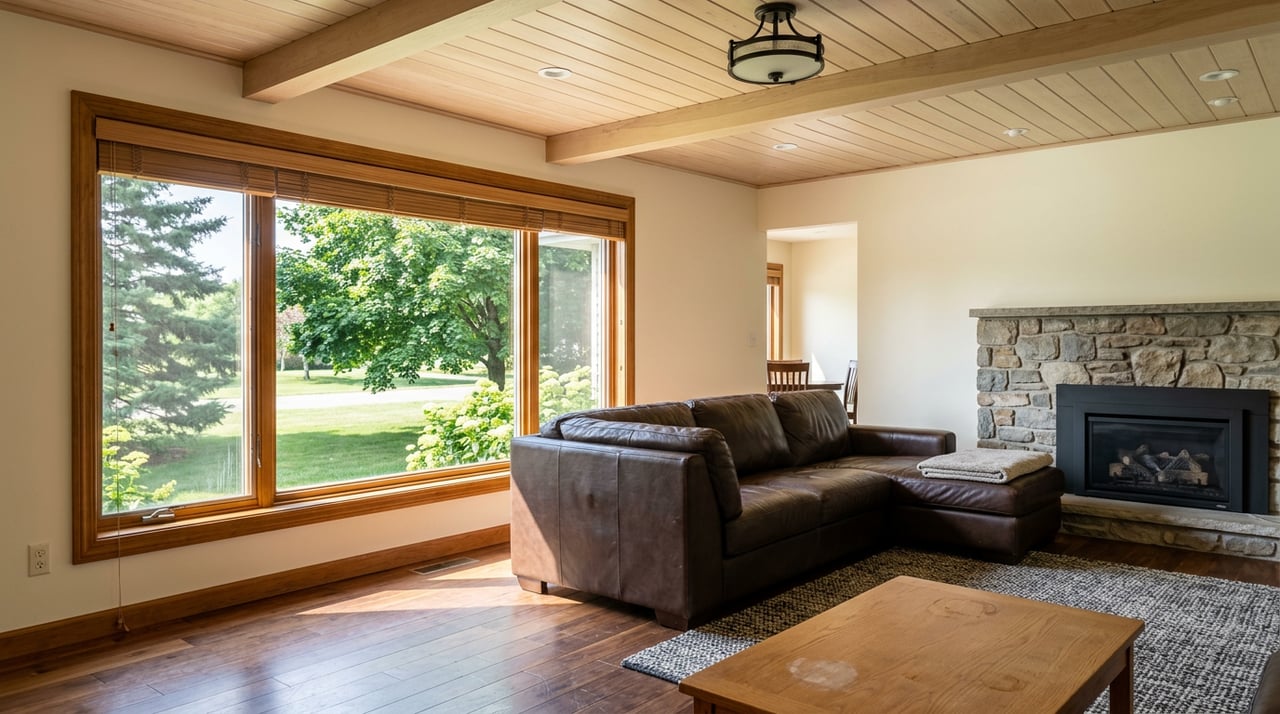
First Time Homebuyer Guide for Cambridge, VT
March 5, 2026
March 5, 2026
Buying your first home in Cambridge can feel exciting and a little overwhelming. You are looking at older farmhouses, seasonal traffic near Smugglers’ Notch, and a market where good homes move quickly. This guide breaks down local prices, financing options, inspections, and offer strategies so you can buy with confidence. Let’s dive in.
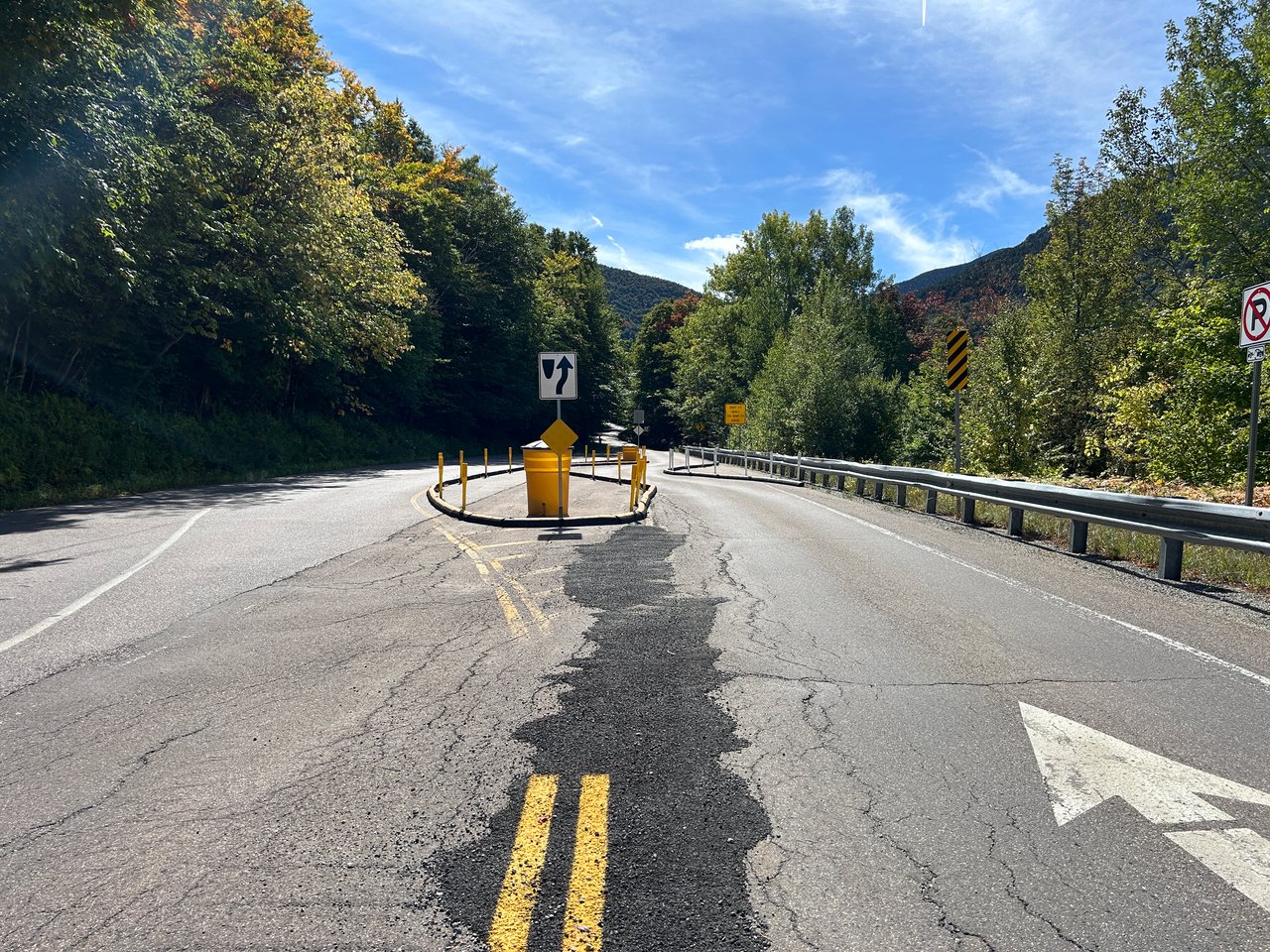
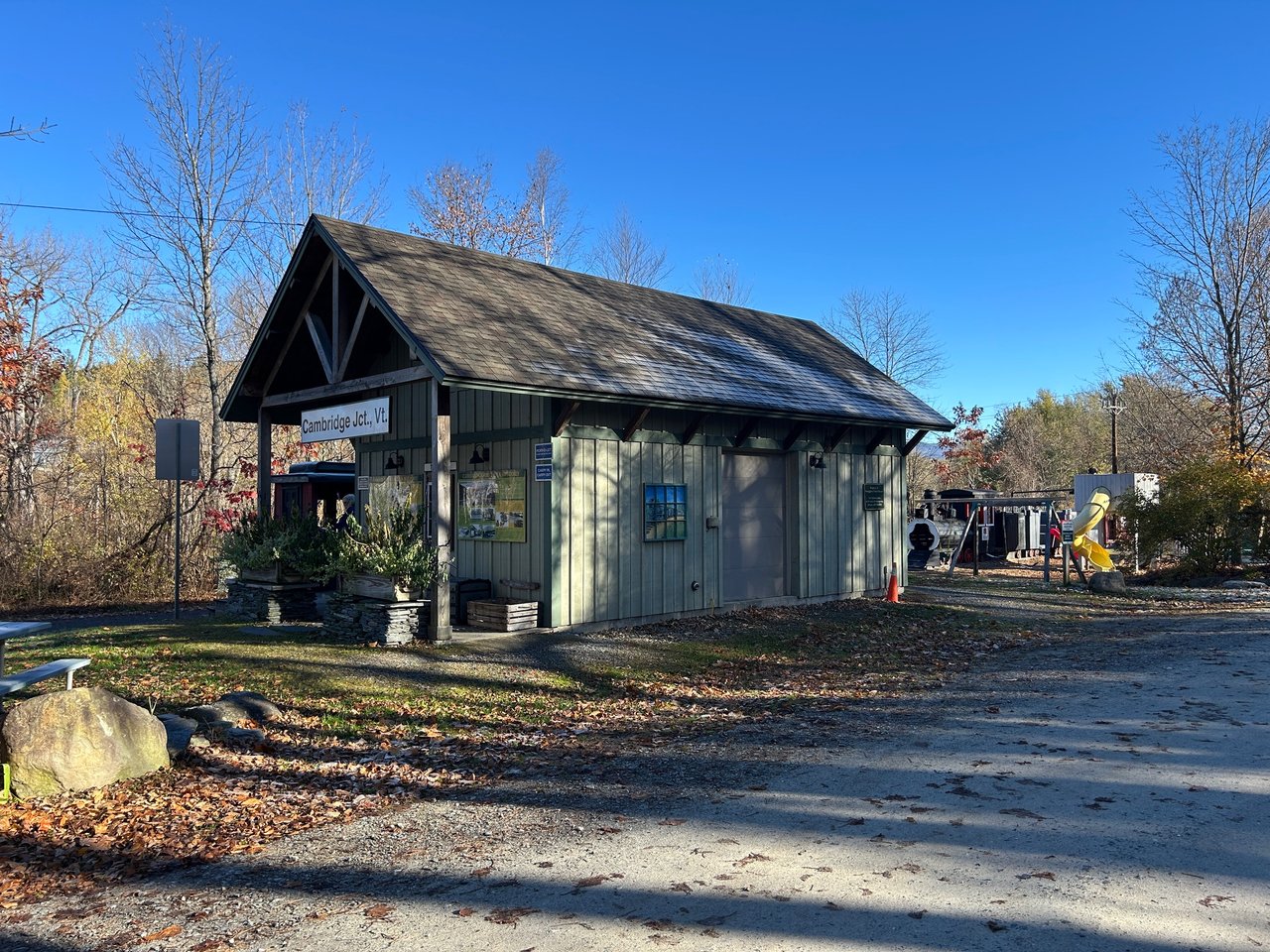
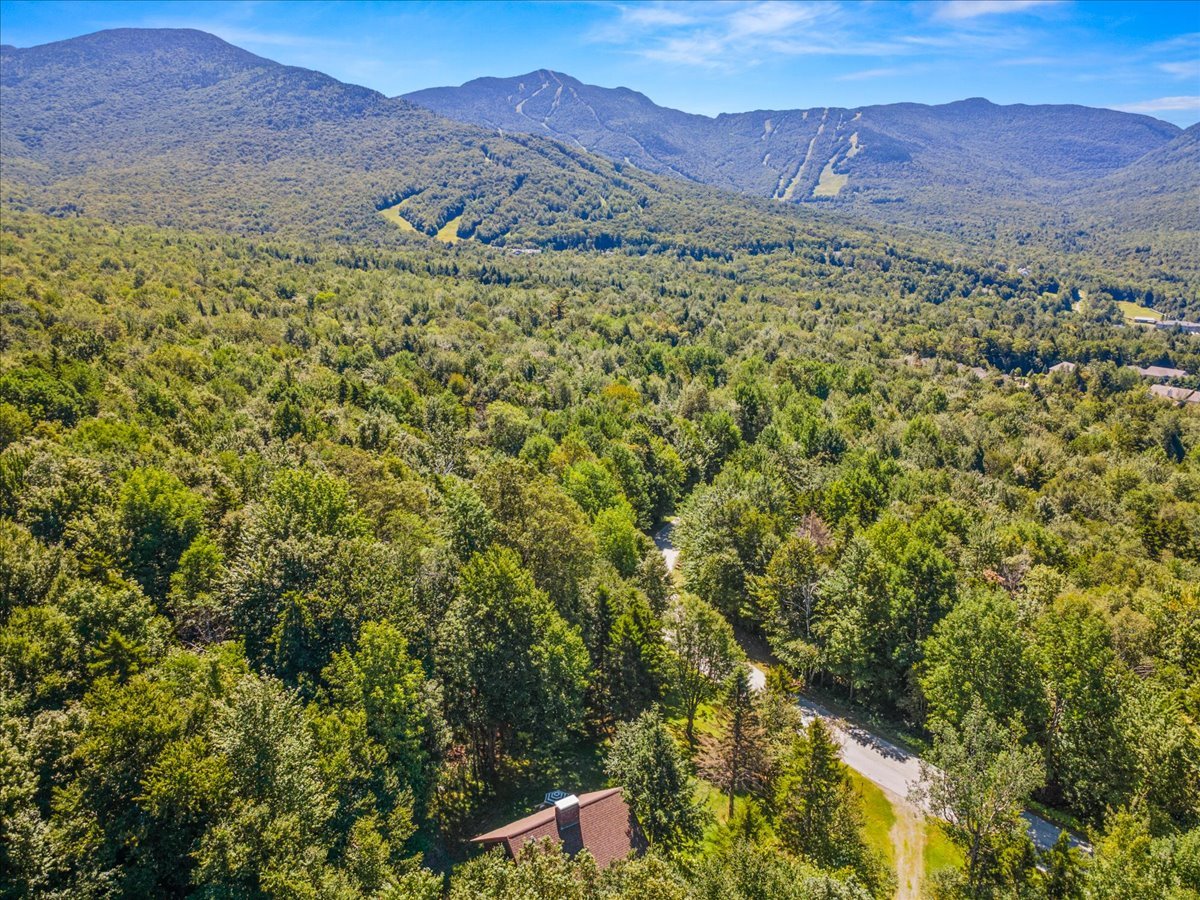
Cambridge sits in western Lamoille County and includes the villages of Jeffersonville and Cambridge Village. Two key roads, VT Route 15 and VT Route 108, cross the town. Route 108 through the Notch can be seasonally limited in winter, which influences commute patterns and tourism flow. For a helpful local overview, see the town profile from the regional planning commission at the Lamoille County Planning Commission’s Cambridge page.
Starter options in Cambridge vary widely by condition, acreage, and proximity to ski and recreation. You will often see smaller or fixer homes in the 275,000 to 400,000 dollar range, with move-in–ready homes commonly listing from the mid 300s to the low 500s. Market snapshots sometimes show a higher median listing price than local value indexes because those tools measure different things. Ask your agent to confirm current figures with the local MLS and recent solds in 05444 and 05464 so you set a realistic budget.
A strong pre-approval can be the difference between winning and missing out in a low-inventory market. Your lender will review credit, recent pay stubs, W-2s or tax returns, bank statements, and ID to issue a clear letter. Sellers and listing agents expect this with offers, along with proof of funds for your earnest money. Aim for full pre-approval, not just pre-qualification, before you start touring.
Many first-time buyers in Cambridge use conventional financing, FHA, VA, or USDA loans. USDA rural-guaranteed loans can offer zero down in eligible areas, but you must check each property’s eligibility map. If you are income-eligible, Vermont has targeted programs that can lower your upfront cash needs:
Tip: Ask lenders if you qualify to combine programs. Start these conversations early so funds can be reserved before you write an offer.
Many Cambridge homes are older farmhouses or mid-century builds, so thorough due diligence matters. Schedule these during your contract’s inspection window and be present if you can.
General home inspection. A licensed inspector evaluates structure, roof, plumbing, electrical, and HVAC. Find Vermont-specific guidance through an inspector network like BrickKicker’s Vermont page.
Electrical review. If the home inspector flags older knob-and-tube or aluminum wiring, have a licensed electrician check panel capacity, grounding, and upgrade needs.
Structural or foundation specialist. Older fieldstone foundations or visible settlement may require a structural engineer’s opinion.
Septic inspection. In rural New England, septic systems are critical. Ask for pump and service history, confirm permits, and inspect the tank and distribution system.
Private well and drinking water tests. Vermont recommends routine testing for bacteria, nitrates, and common inorganics. Some loan types require certain results for private wells. Order test kits and review guidance from the Vermont Department of Health.
Radon test. Radon is common in Vermont, and testing is strongly recommended. Short-term tests are typical in transactions. Order a kit and follow instructions from the state’s radon testing page. If levels are elevated, mitigation is effective and usually completed within standard timelines.
Heating oil tanks and environmental screening. Many older homes have aboveground or past underground tanks. Request documentation and have tanks inspected. Vermont’s rules for aboveground storage tanks outline installation and inspection requirements. Review the state code summary on Justia’s Vermont regulations page.
Specialty inspections as needed. Chimney sweep, mold and moisture assessment, lead paint risk for pre-1978 homes, and asbestos checks when materials are suspect.
Costs and timing. A general inspection usually runs several hundred dollars, with specialist inspections added as needed. Water and radon test kits are relatively low cost. Radon mitigation often runs in the low thousands if required. Get quotes from local licensed contractors before you finalize negotiations. For eligible households, Vermont lists funding sources for healthy home fixes, which you can review on the Health Department’s financial assistance page.
Inventory in Cambridge is often low, with activity that spikes in spring and fall. Your goal is to be competitive without giving up essential protections.
Build your team. Choose a buyer’s agent who knows Lamoille County and a lender who participates in VHFA and local programs. Start with VHFA’s program overview.
Get full pre-approval. Ask about VHFA ASSIST, the First-Gen grant, USDA eligibility, and whether local assistance can be stacked.
Set up smart search alerts. Focus on 05444 and 05464. Define your non-negotiables so you can act quickly.
Vet systems early. When you find a home, ask about septic permits, well source, and any oil tanks. If present or unknown, schedule septic and tank inspections promptly. Use the Health Department’s drinking water guidance to plan testing.
Order radon and water tests day one. Short-term radon and state lab water tests can return quickly. Use results to negotiate credits, repairs, or price adjustments.
Structure a strong, safe offer. Include pre-approval, earnest money, clear timelines, and any escalation or appraisal-gap terms you are comfortable with. If systems are older, consider asking for a seller-paid home warranty.
Close with confidence. Work with a local title company or attorney experienced in Vermont closings. Do a thorough final walk-through to confirm agreed condition.
Ready to take the next step in Cambridge or nearby Jeffersonville and Underhill? Work with a local expert who can guide pricing, inspections, and offer strategy from day one. Reach out to Jill Richardson to discuss your goals and request a free consultation and home valuation.
Stay up to date on the latest real estate trends.

Contact Jill today to learn more about her unique approach to real estate and how she can help you get the results you deserve.
44 Main St VT-108 Jeffersonville, VT 05464