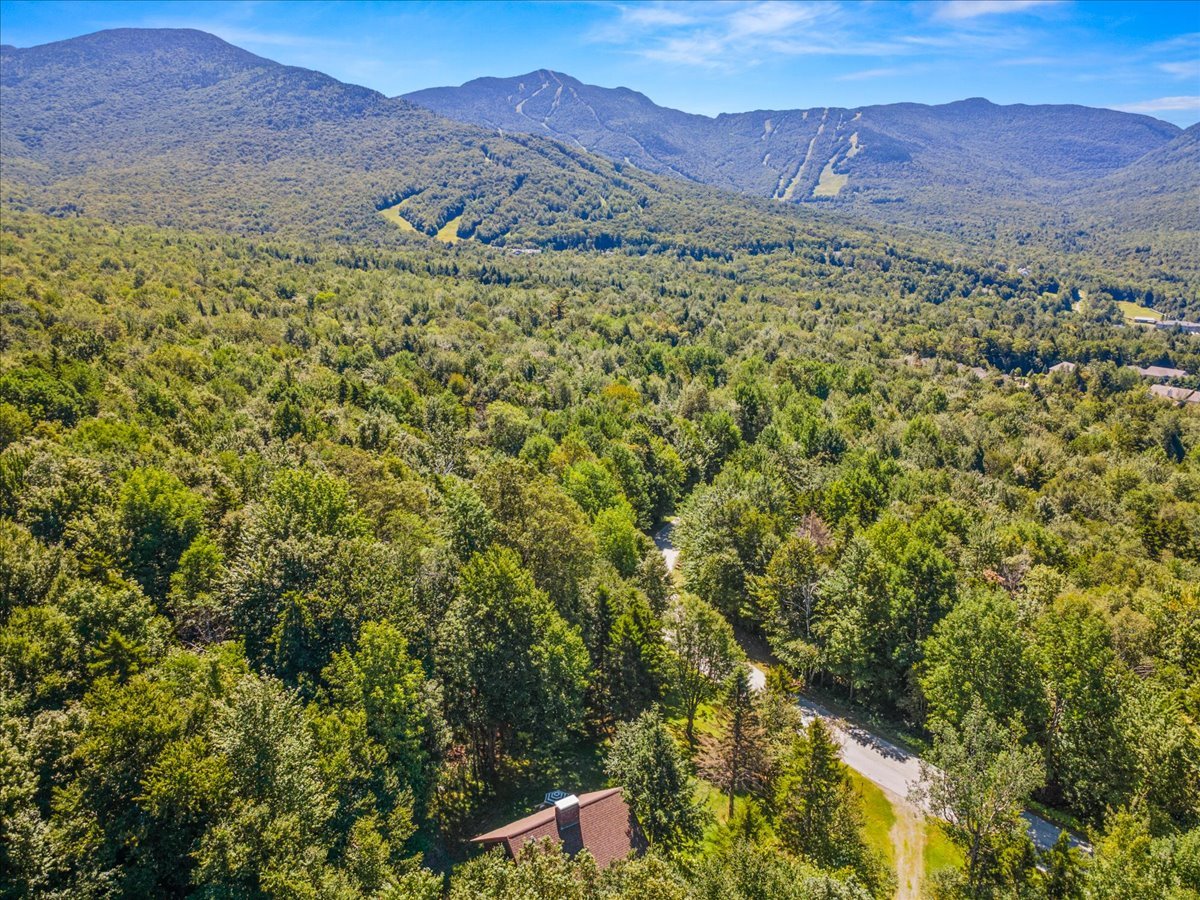
Thinking about buying land or acreage in Cambridge so you can build your vision from the ground up? You are not alone. Rural parcels here can be beautiful and practical, but the path to a successful purchase is different from buying a house. In this guide, you will learn the key local steps, permits, and checks to complete before you write an offer, plus a simple checklist to keep you on track. Let’s dive in.
Town vs village rules in Cambridge
Before anything else, confirm whether the parcel sits in the Town of Cambridge or inside the incorporated Village of Cambridge or the Village of Jeffersonville. The town outside of the villages do not use a conventional zoning ordinance. Instead, development follows state rules and local bylaws that include flood hazard and subdivision regulations. The villages have its own rules plus municipal water and sewer in Jeffersonville that can add requirements for new development.
If you plan any boundary change or lot split, the Town’s Development Review Board handles subdivision review outside the village. Inside the village, check village procedures. Either way, verifying location and which board has jurisdiction will save time later.
Permits you should expect
Subdivision and local review
- Lot splits, boundary line adjustments, and shared roads often require an application to the Cambridge Development Review Board.
- Private roads and shared driveways may need to meet standards for width, grade, and emergency access that affect design and cost.
Driveway and access permits
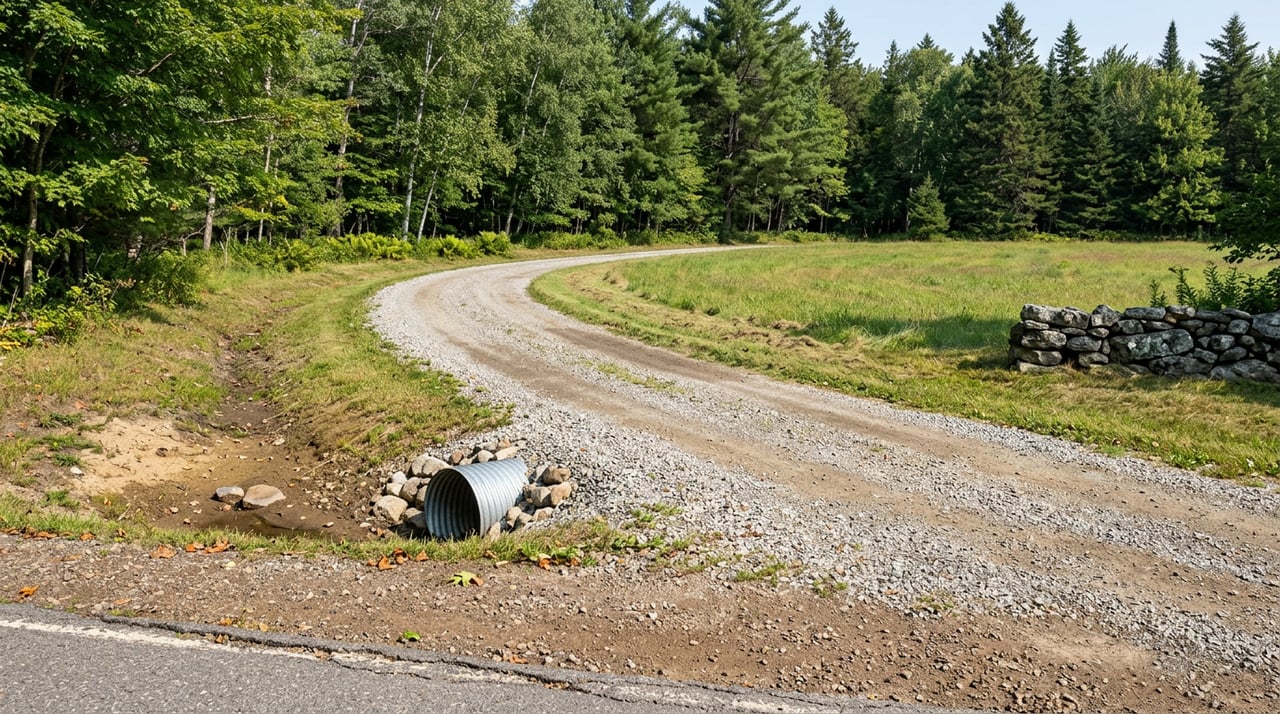
- Any new or changed curb cut onto a public road usually needs an access permit.
- If the driveway meets a state highway, you apply through the state. For town roads, the Selectboard or road foreman issues permits.
Septic and wastewater permits
- Vermont requires a state wastewater permit for new or replacement septic systems.
- A licensed designer must complete a site evaluation. Soil depth, slope, groundwater, and nearby water resources drive whether a conventional or alternative system is possible.
Wells and private water
- New private wells must follow state rules and be drilled by licensed professionals.
- Plan for water quality testing for bacteria and common chemistry. If the parcel lies in a public wellhead protection area, extra limits can apply.
Flood hazard and wetlands
- Development inside mapped flood hazard areas is restricted and may require local approval under flood hazard bylaws.
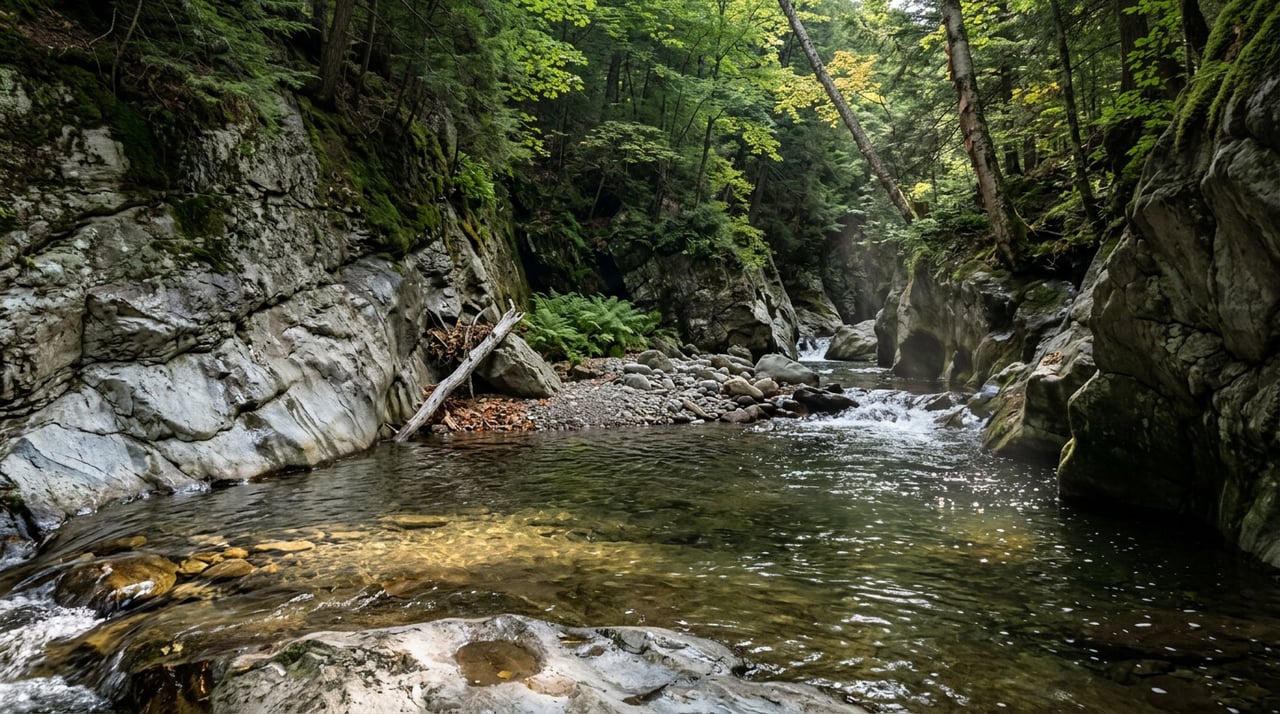
- State wetland rules regulate Class I and II wetlands and their buffers. If wetlands are present, you may need a delineation and state permit.
Act 250 for larger projects
- Vermont’s Act 250 can apply to sizable subdivisions or developments and reviews impacts on water, soils, transportation, scenic resources, and community services.
- Thresholds vary by project type and local bylaws. If your plan might approach these triggers, request a written jurisdictional determination from the district coordinator early.
Evaluate the site early
Soils and septic fit
- Start with NRCS soils mapping to understand soil types, depth to bedrock, and slopes.
- Follow with test pits or a modern site evaluation by a licensed wastewater designer. A marginal site can increase costs or limit bedrooms.
Water and well considerations
- Discuss well locations and expected yield with a licensed driller before you commit.
- Budget time for water testing and confirm there is space to meet required setbacks from septic systems and property lines.
Floodplain and wetlands checks
- Compare the parcel to FEMA flood maps and the town’s flood hazard areas.
- If state wetland maps show possible wetlands or buffers, bring in a qualified professional to confirm boundaries on the ground.
Access and private roads
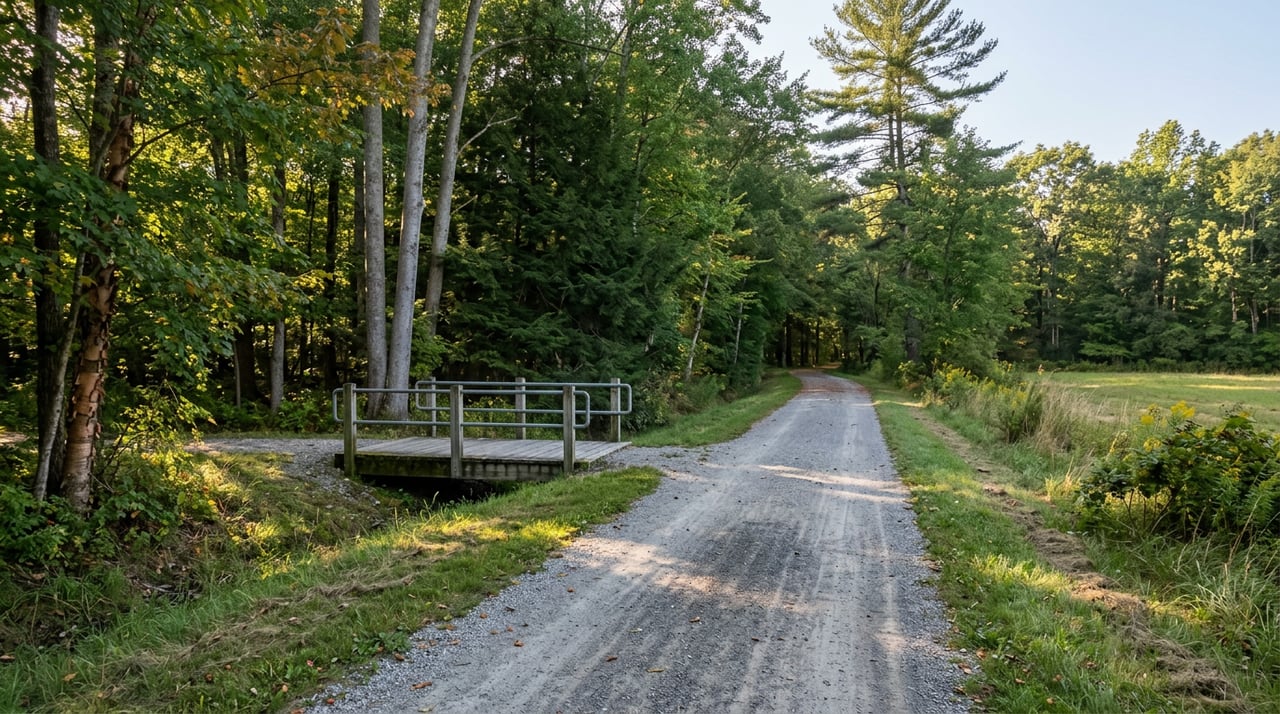
- Verify legal access in the deed. If access depends on a right of way, make sure it is recorded and clear.
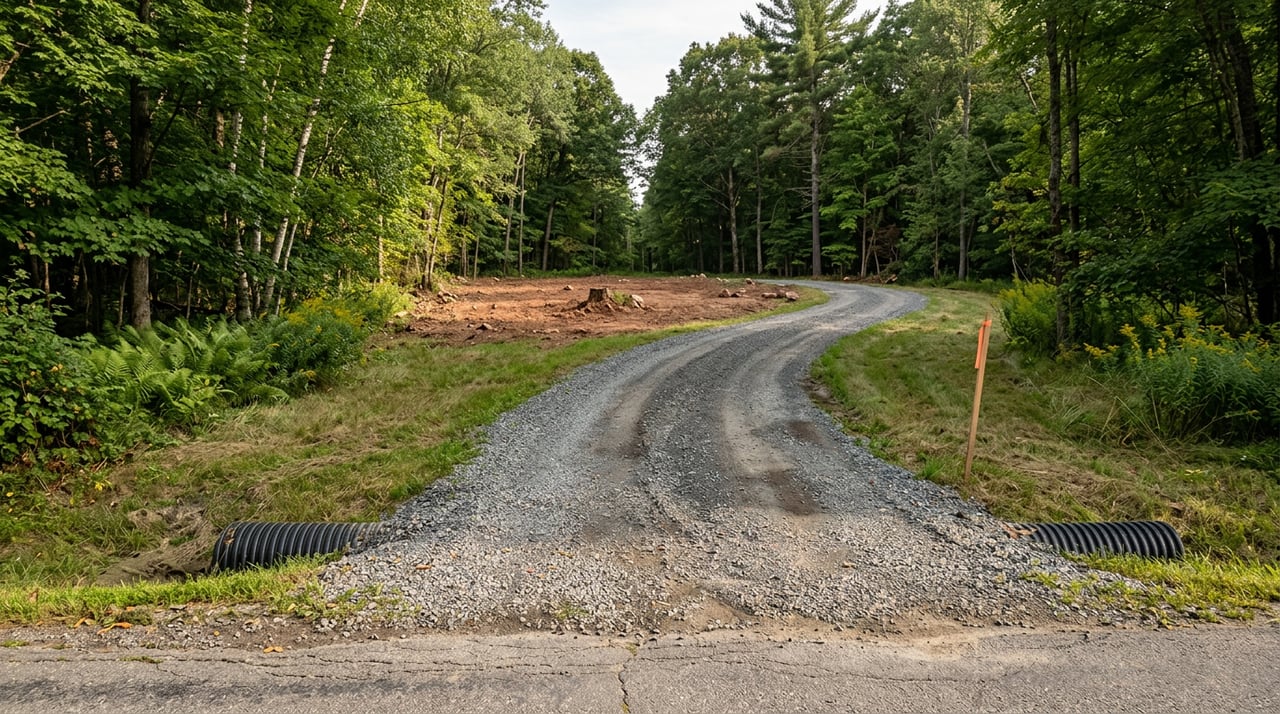
- Long or steep driveways may need engineered design, larger culverts, or retaining features that add cost.
Power, internet, and utilities
-
Electric service is provided by Green Mountain Power or Vermont Electric Cooperative, depending on location. Call to confirm the serving utility and any line extension costs.
-
Broadband can be limited on rural roads. Check availability with providers and the state broadband office, then verify by calling directly since public maps can miss gaps.
Due diligence checklist before you offer
Use this list to reduce surprises and protect your budget.
- Confirm jurisdiction. Ask the Town Office whether the parcel is in the town or the Village of Jeffersonville, and request flood hazard and wellhead protection status.
- Title search. Have an attorney review deeds for access rights, conservation easements, covenants, and any Current Use enrollment that could trigger a change tax if you withdraw land.
- Survey. Order a current, stamped boundary survey to define buildable envelopes and support septic and well placement.
- Soils and wastewater. Hire a licensed designer to dig test pits and prepare a wastewater site evaluation.
- Driveway and access. Confirm which road the driveway meets and whether a town or state access permit applies.
- Act 250 screening. If your plan might meet Act 250 thresholds, request a district coordinator jurisdictional determination early.
- Utilities. Contact the serving electric utility about extensions or upgrades. If in a village, ask about water and sewer connection rules and capacity.
- Wetlands and river corridors. If maps show potential constraints, get a wetlands professional to review on site.
- Contingencies and budget. Include inspection and permitting contingencies in your offer and set a realistic site work budget for driveway, drainage, and septic.
Budgeting for site work
Raw per acre prices rarely show the true cost to build. Driveway length and slope can change excavation hours and culvert sizes. Septic systems range from conventional to engineered alternatives with very different budgets. Add permit fees, surveys, and professional services, then carry a contingency for ledge removal, retaining walls, or stormwater features if slopes or soils require them.
Avoid these common missteps
- Skipping the soils test. Paper maps are a start, but only test pits confirm septic feasibility.
- Assuming access is automatic. A curb cut still needs an access permit and safe sight lines.
- Overlooking wetlands or flood hazard. Buffers can shift siting and block planned building areas.
- Ignoring utility logistics. Power line extensions and limited broadband can affect budget and lifestyle.
- Waiting on Act 250 questions. A quick jurisdictional check early can prevent delays later.
Your local advantage
Buying land here is achievable when you follow a clear plan and verify details up front. You benefit from local knowledge of town and village procedures, on-the-ground site realities, and who to call at each step. If you want a steady guide through subdivision review, wastewater design timelines, utility checks, and closing prep, reach out for help tailored to your goals.
If you are ready to explore land in Cambridge or nearby towns, connect with Jill Richardson for a calm, practical plan from first showing to successful close.
FAQs
What makes buying land in Cambridge different from buying a house?
- You must verify soils for septic, water source, legal access, and potential Act 250 triggers, plus follow town or village review steps that do not apply to most existing homes.
Do I need a permit for a new driveway in Cambridge VT?
- Yes, new or changed accesses to public roads need permits. Apply through the state for state highways and through the town for town roads.
How can I tell if a lot will pass for septic in Cambridge?
- Hire a licensed wastewater designer to dig test pits and complete a state site evaluation. Soil type, slope, and groundwater set the system type and size.
When could Act 250 apply to my Cambridge project?
- It can apply to larger subdivisions or developments based on project size and local bylaws. Get a written jurisdictional determination from the district coordinator for your specific plan.
Who provides electricity to rural parcels in Cambridge VT?
- Service is provided by Green Mountain Power or Vermont Electric Cooperative depending on location. Call to confirm the serving utility and any line extension costs.
How long does it take to close on land in Cambridge?
- Timelines vary with soils testing, permits, and surveys. Plan for several extra weeks compared to a house purchase, and use contingencies to protect your deposit.