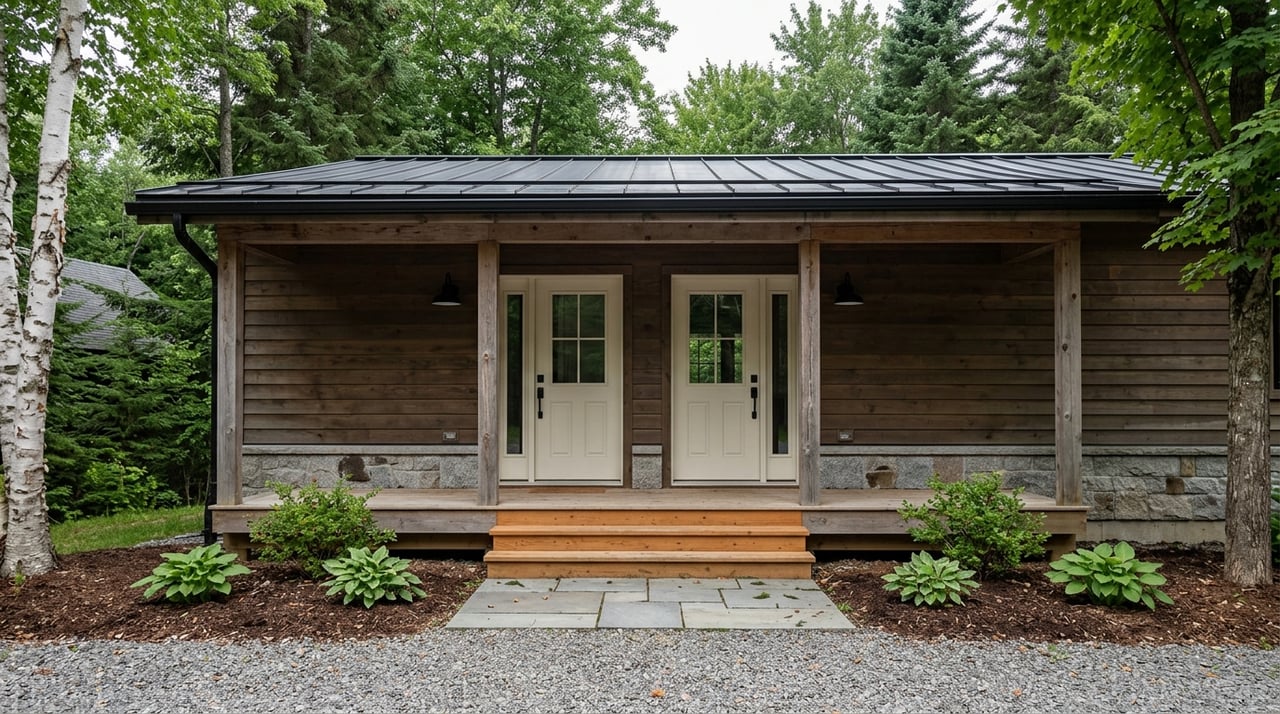
Smugglers Notch Short Term Rental Basics Near Jeffersonville
May 7, 2026
May 7, 2026
Wondering if a property near Smugglers’ Notch could work as a short-term rental? You are not alone. Many buyers are drawn to Jeffersonville for its four-season appeal, but the rental picture here is more layered than it looks at first glance. If you are thinking about buying, using, or selling a property with short-term rental potential, this guide will help you understand the basics and ask smarter questions before you move forward. Let’s dive in.
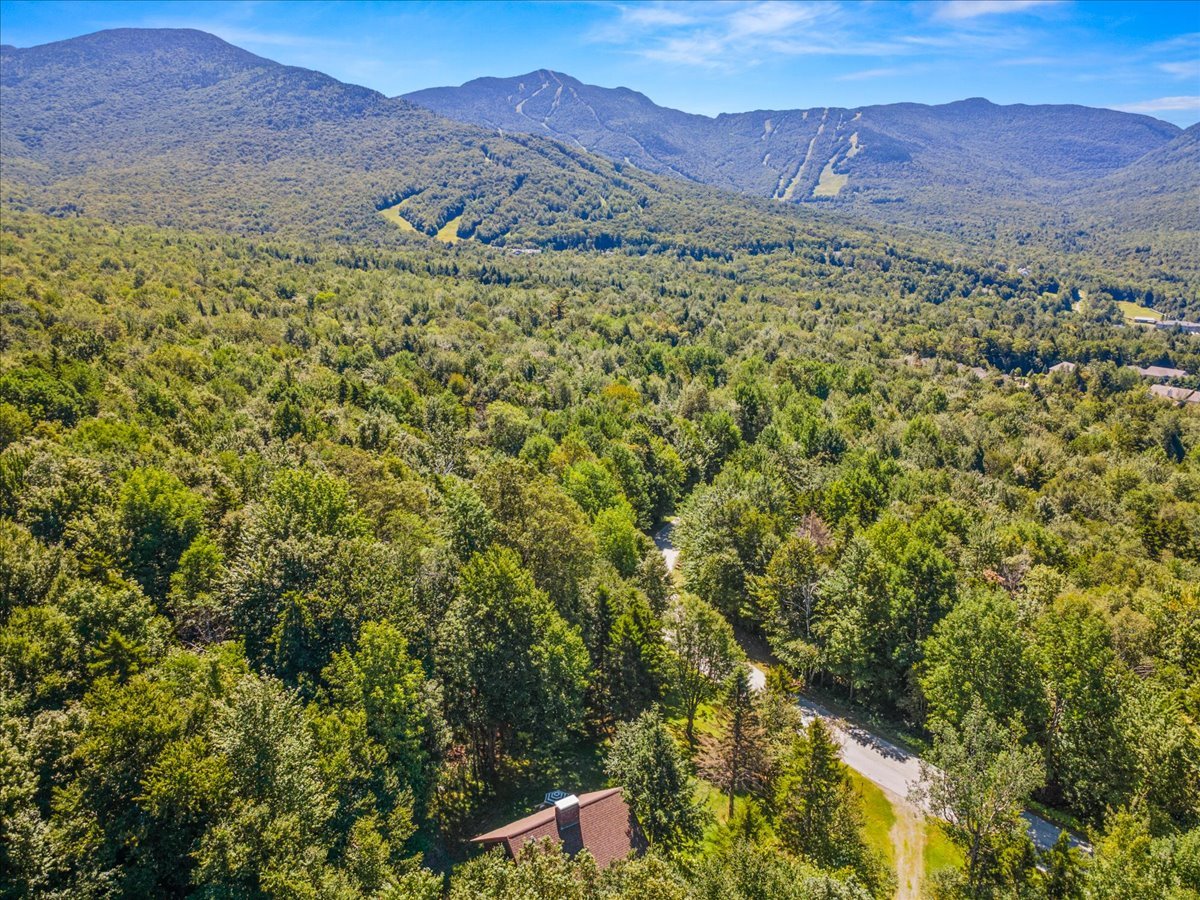
Jeffersonville is not just a typical village market. It sits at the gateway to Smugglers’ Notch, and that location shapes demand, access, and property use throughout the year.
Cambridge’s municipal plan describes recreation and tourism as a major and growing part of the local economy. It also notes that Smugglers’ Notch has grown from a winter destination into a four-season resort, which helps explain why rental demand here is not limited to ski season alone.
That said, winter still matters a lot. Vermont Tourism’s winter visitor tracking shows that winter visitors often come for outdoor recreation, especially skiing, and many return year after year. Near Smugglers’ Notch, that repeat demand can be a real advantage for owners with rental-friendly properties.
Access also plays a role. Route 108 through the Notch is seasonally closed to Stowe in winter, so guest travel patterns and winter drive times can affect how a property performs and how you market it.
Before you look at projected income, it helps to understand how Vermont defines a short-term rental.
Under Vermont law, a short-term rental is a furnished house, condominium, or other dwelling room or self-contained unit rented to the transient, traveling, or vacationing public for fewer than 30 consecutive days and for more than 14 days per calendar year. Vermont also says that lodging rented only occasionally becomes subject to meals and rooms tax once it reaches 15 or more days in a calendar year.
Hosts also have tax-related responsibilities. Vermont requires hosts to post the related meals and rooms tax account number in advertisements, and effective August 1, 2024, the state imposes a 3% short-term rental surcharge on top of the rooms tax for short-term rental occupancies.
For many home-style rentals, a lodging license may not be required. According to Vermont Health, if the property offers fewer than three units and does not serve prepared food, a lodging license is generally not required, but the property still falls under the Vermont Rental Housing Health and Safety Code.
One of the biggest mistakes buyers make is assuming that state rules are the full story. Near Smugglers’ Notch, the local and property-specific details can matter just as much.
Cambridge’s posted development guidelines say the Town has no zoning regulations, but that does not mean anything goes. Development still needs to comply with state construction, wastewater, water supply, flood hazard, wetland, and access permit requirements.
The same local guidance also flags village trustee approval issues for properties tied to Jeffersonville or Cambridge water and septic systems. In practical terms, that means you should confirm how the property is served and whether any approvals or infrastructure limits could affect your plans.
This is especially important if you are comparing a village-area home, a rural house, and a resort condo. They may look similar on a listing sheet in terms of bedrooms or price, but the real-world rental setup can be very different.
If the property is in or connected to Smugglers’ Notch Resort, you need to go beyond state and town rules. Resort documents and ownership structure can shape what you can actually do.
The resort’s published rules say exterior appearance changes and signage require prior consent. They also say no unit may be leased without prior consent, pets are restricted, and quiet hours run from 11:00 p.m. to 7:00 a.m.
That matters because a condo may appear rental-ready, but the governing documents may place limits on leasing, guest use, exterior updates, or even operational details that affect guest turnover. Smugglers’ ownership information also shows that rental participation can be contract-based rather than automatic, with the resort able to deny entry to a rental program based on demand, timing, or home condition.
In other words, buying near the resort is not just about location. It is also about understanding the exact ownership form, management options, and approval process tied to that specific property.
Not every property near Smugglers’ Notch performs the same way as a short-term rental. Bedroom count matters, but it is only one piece of the picture.
Smugglers’ accommodation inventory ranges from studios to five-bedroom homes, and the units are described as furnished condos with kitchens and living areas. On the ownership side, the resort offers more than one structure, including full ownership and seasonal week-based products, so income potential may depend on what, exactly, you are buying.
For example, full ownership is described as a year-round furnished condo with the option to rent the village home through Smugglers’ professional rental management company. That is very different from a property where you plan to self-manage, or a deeded ownership product with separate rules.
Outside the resort, market data also points to the kind of inventory that tends to be active in Jeffersonville. AirDNA’s Jeffersonville page estimates 52% occupancy, a $294.90 average daily rate, and 493 active listings. It also shows that one- and two-bedroom listings make up about two-thirds of supply, and 72.6% of listings use a two-night minimum stay.
That mix suggests many operators rely on repeated short stays rather than one long booking pattern. AirDNA also reports that 54% of listings are available 271 to 365 nights per year, which points to a market where flexible calendars and consistent turnover can be part of the business model.
A common assumption is that this market is all about winter. Winter is important, but it is not the whole story.
Smugglers’ own seasonal activity calendar promotes spring, summer, fall, and winter travel. The resort highlights skiing and snowboarding in winter, along with pools, waterslides, hiking, disc golf, mountain biking, family programming, and fall foliage activities across the rest of the year.
That broad activity base helps explain why some properties can attract guests beyond ski months. It also supports a more balanced view of income planning, where peak winter demand may be stronger, but summer and fall can still help fill the calendar.
For buyers, that means the strongest rental candidates are often the ones that fit the area’s family travel patterns across multiple seasons. A property that is easy to use, easy to turn over, and practical for short stays may have an edge over one that looks appealing on paper but is harder to operate.
If you are buying with short-term rental use in mind, due diligence matters more than hype. A property can look ideal online and still have major limits once you dig into the documents.
Start by confirming what kind of property you are actually buying. Is it a freehold house, a resort condo, or a deeded ownership product with separate rules?
Then review the layers that apply to that property:
If the property is outside the resort system, septic and water capacity deserve extra attention. Cambridge’s development guidance makes clear that wastewater, water supply, and other state-level approvals still matter even without town zoning.
It is also smart to underwrite conservatively. Compare likely peak-season income with slower shoulder seasons, and account for management and cleaning costs before you assume a property will cash flow the way you want.
In this market, the strongest short-term rental candidates usually have three things in common: clear legal rentability, low operational friction, and features that match how guests use the area.
That can mean a property with straightforward leasing rights, practical guest parking, reliable infrastructure, and a layout that works well for short stays. It can also mean a unit with a management path already in place, especially for buyers who do not plan to be in Jeffersonville full time.
The weaker candidates are often the opposite. If a property has restrictive governing documents, limited infrastructure, or a personal-use plan that leaves too little room for rental management, the numbers may not work as well as expected.
Even if you are buying for your own enjoyment first, rental flexibility can still affect resale. Vermont’s 2025 to 2029 Housing Needs Assessment says more than 12,000 entire homes were actively used as short-term rentals in January 2024, which shows how common the model has become statewide.
That does not mean every buyer wants a rental property. It does mean that rules, carrying costs, and rental usability can influence how future buyers view a home, condo, or chalet near Smugglers’ Notch.
When you understand those details early, you can make a cleaner decision now and avoid surprises later. That kind of clarity is valuable whether you are buying a second home, comparing resort options, or preparing to sell a property with rental appeal.
If you are weighing a purchase or sale near Smugglers’ Notch, local detail matters. Jill Richardson can help you look beyond the listing photos and understand how property type, location, and local rules may affect short-term rental potential.
Stay up to date on the latest real estate trends.
Contact Jill today to learn more about her unique approach to real estate and how she can help you get the results you deserve.
44 Main St VT-108 Jeffersonville, VT 05464